
Staff Interaction Creates Organic Growth
Great hospitality doesn’t just serve customers — it creates moments worth sharing. Learn how staff timing, simple prompts, and the right tools turn everyday interactions into organic growth.
BRAND LAB™INSIGHTS
Simon Lee
1/1/20263 min read
Staff Interaction
Creates Organic Growth
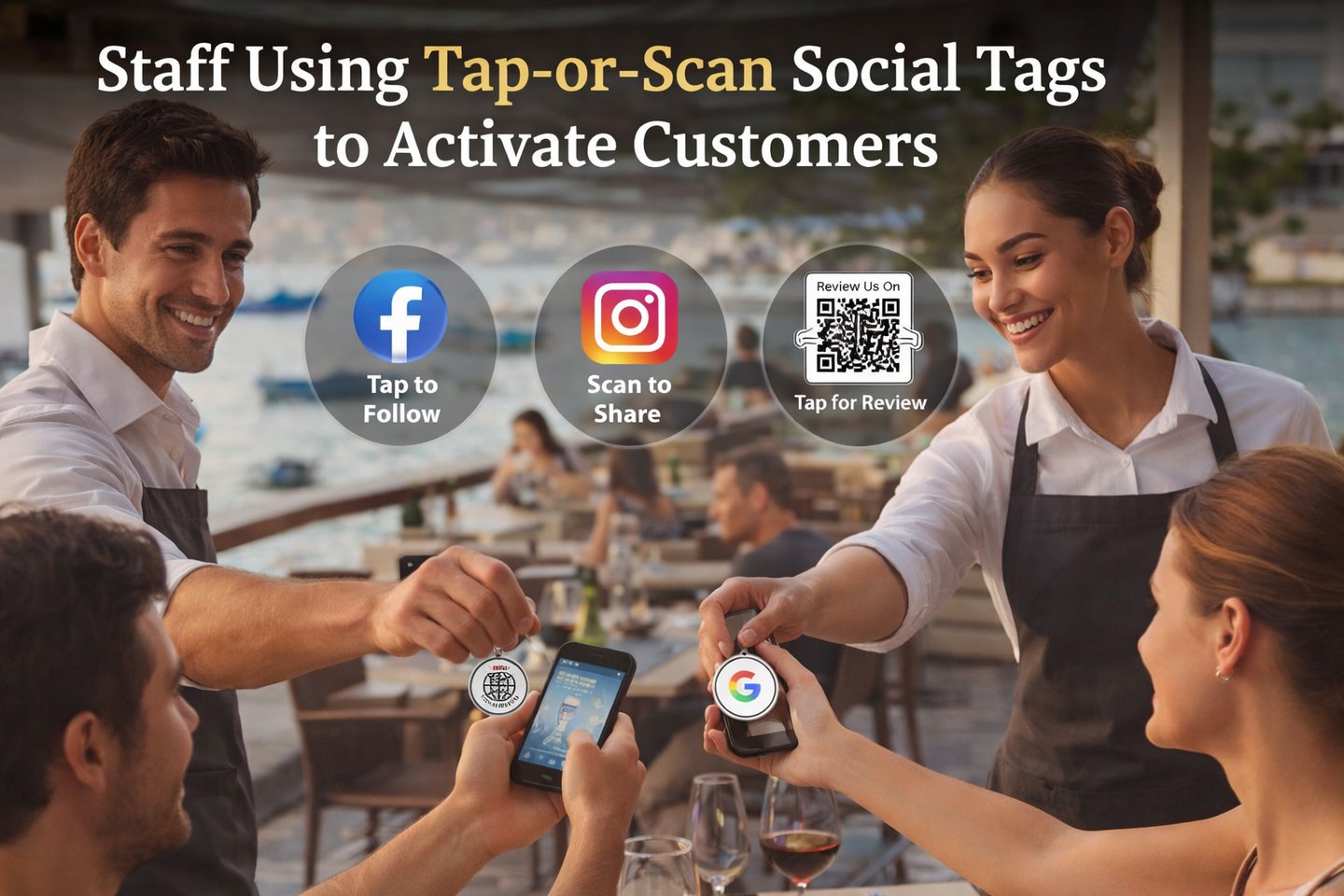
The fastest organic growth often starts in a live customer moment — when staff help the next step happen naturally.
Part of Pour IQ™ — insight supporting real hospitality brands.
Why This Matters
A great moment happens.
A customer is already smiling.
Phones are already out.
If nobody guides the moment, it disappears.
If staff guide it well, the brand spreads without spending money.
But organic growth is usually triggered inside the experience first.
Most venues try to “grow online” by posting more.


What’s Actually Happening
Common friction points:
❌ they don’t know the venue handle
❌ they don’t know what to tag
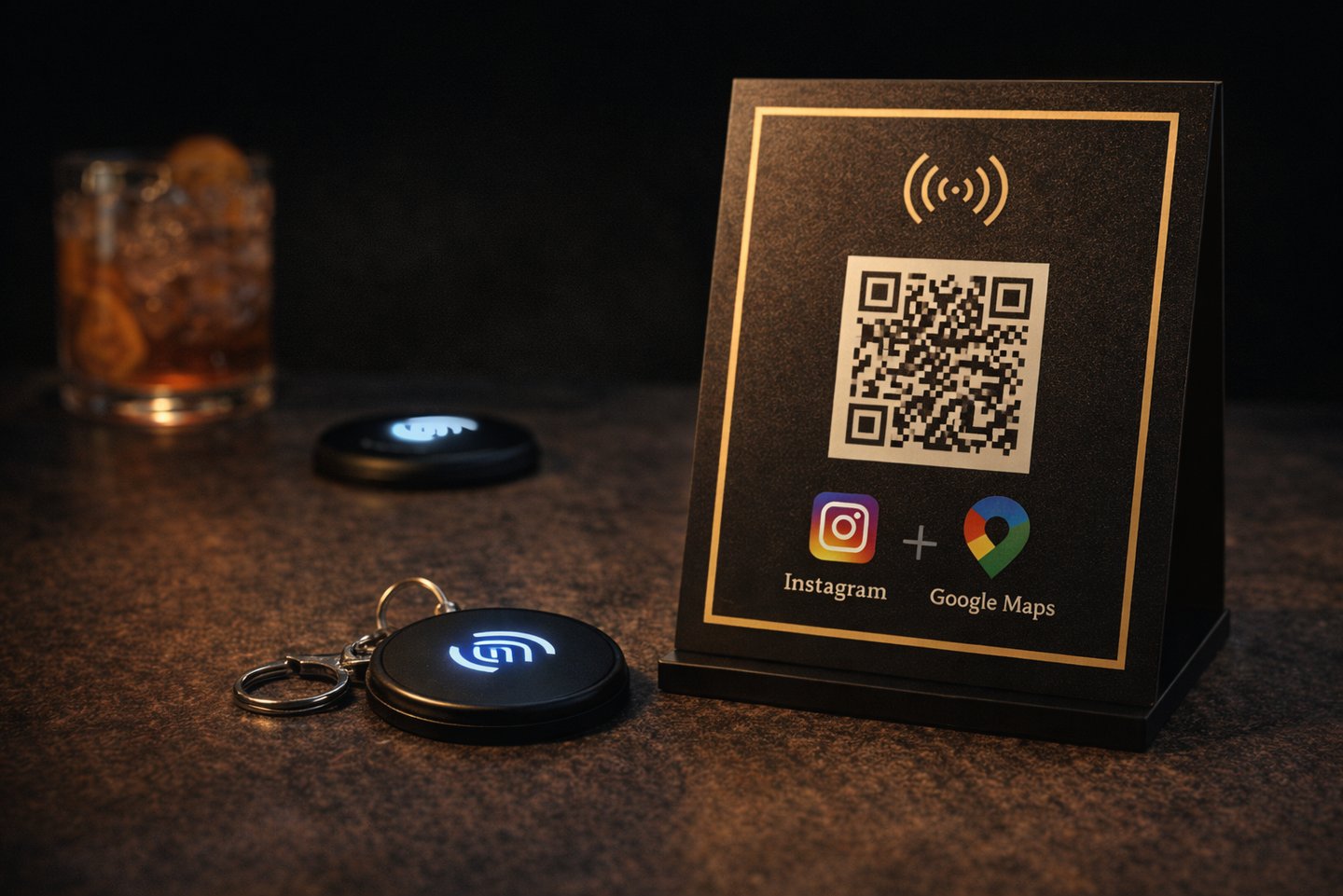
❌ they can’t find the link quickly
❌ they don’t want to “do work”
❌ the moment passes before anyone prompts it
Customers don’t avoid sharing. They avoid friction
So even when the experience is strong, visibility doesn’t follow automatically.


What This Means In Practice
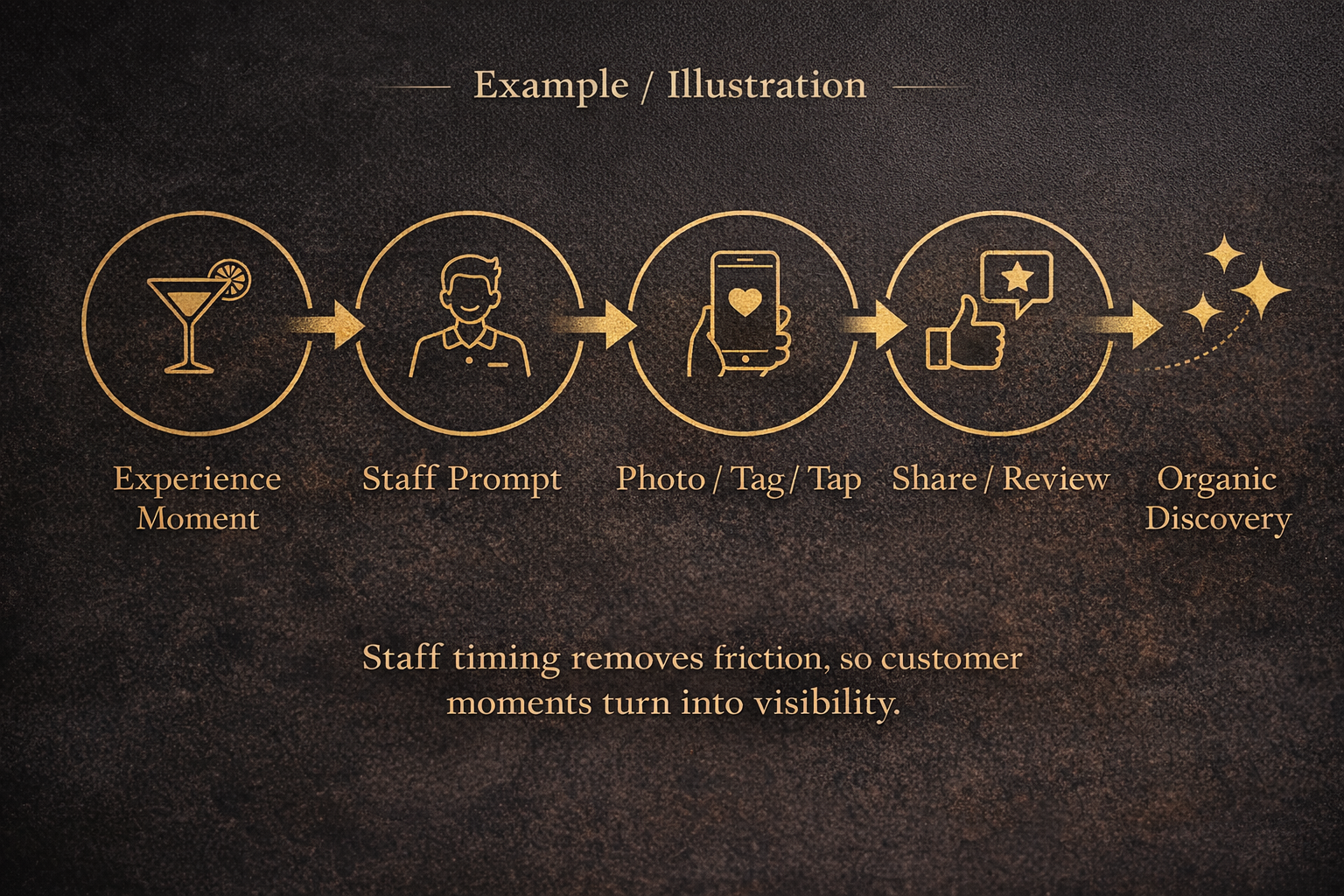
Staff are the visibility trigger because they see the moment first.
Staff timing turns experience into visibility.
Simple, natural prompts work best:
✅ “Want me to grab a photo for you?”
✅ “If you tag us, I’ll make sure you get the best angle.”
✅ “Tap here — it opens our page instantly.”
This doesn’t feel like marketing.
It feels like hospitality.
Google Maps performance is an outcome of brand clarity and customer experience.
Where This Fits In The Pour System™
Google Maps performance is an outcome of brand clarity and customer experience.
Science progression
👉 Launch Lab™ establishes presence online.
👉 Brand Lab™ ensures customers understand and remember the venue.
👉 Pour Science™ strengthens visibility and interaction signals.
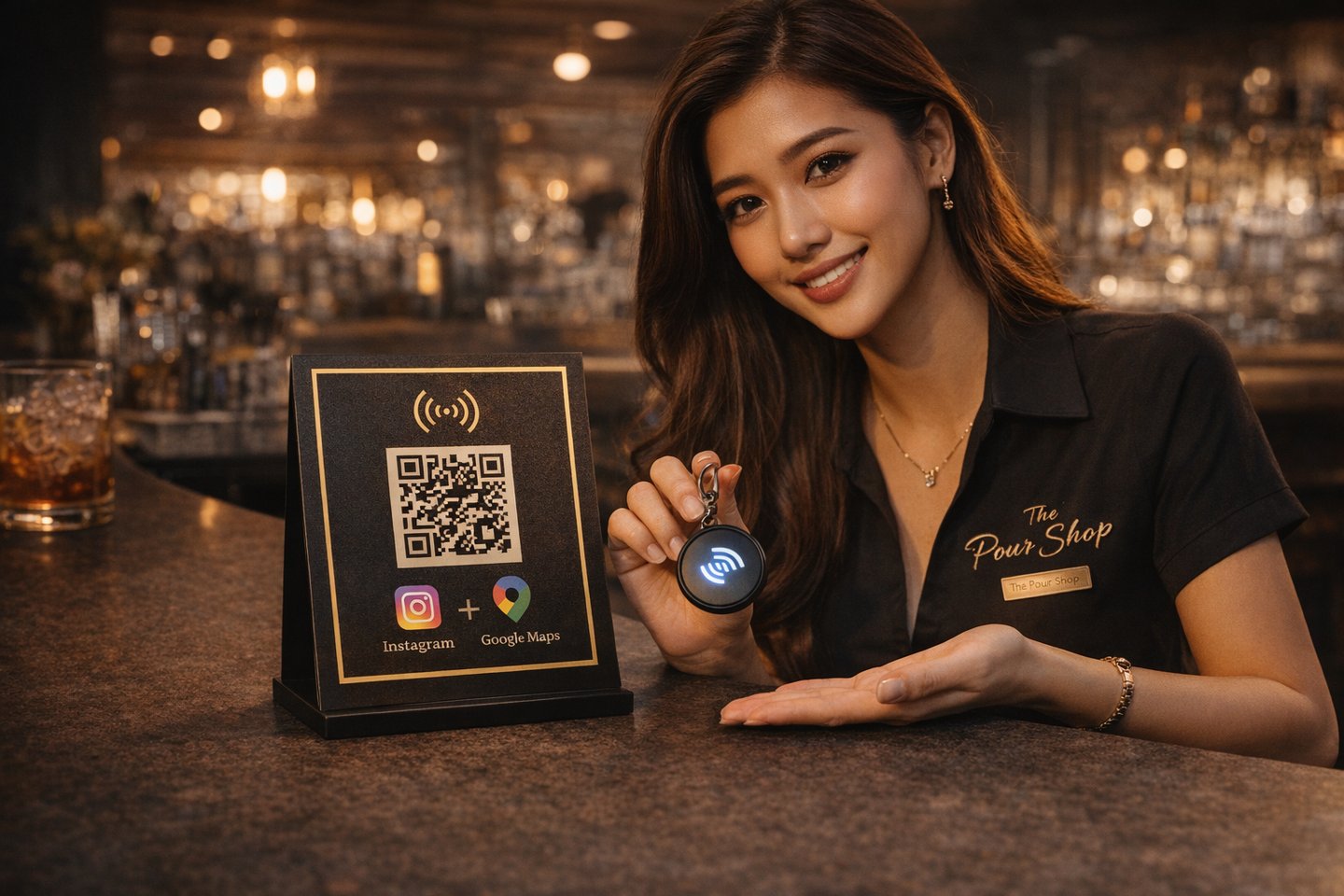
When these layers align, customer behaviour naturally generates the signals that improve search visibility.
This is why Maps growth is not separate from branding — it’s a result of it.
When customers consistently engage with a venue — leaving reviews, sharing photos, and searching for it again — Google interprets that behaviour as proof of relevance.
The venue becomes easier to find because customers are reinforcing its visibility
Google Maps visibility grows from accumulated reputation signals.
How reputation signals
influence discovery.
The venues that appear most often in search are usually those customers interact with most — not those that advertise most.
The Key Takeaway
Strong experience, consistent branding, and customer engagement create the signals that drive organic discovery.
Ads can boost visibility, but reputation sustains it.
If you want stronger organic visibility, start by improving the brand clarity, experience, and engagement that customers respond to first.