
Why Google Maps Growth Comes From Reputation, Not Ads
Many venues think visibility comes from advertising. In reality, Google Maps rankings are driven by reputation, reviews, engagement, and customer experience — all of which compound through strong branding and service.
BRAND LAB™INSIGHTS
Simon Lee
1/27/20263 min read
Why Google Maps
Google Maps visibility isn’t bought first — it’s earned through experience, reviews, and consistent brand signals.
Why Google Maps Growth Comes From Reputation, Not Ads
Part of Pour IQ™ — insight supporting real hospitality brands.
Why This Matters
It prioritises:
✅ relevance
✅ activity
✅ engagement
✅ review quality
✅ consistency of signals
In other words,
it prioritises reputation.
Owners often believe they need ads to appear higher in search.
But when customers search for cafés, bars, or venues nearby, Google rarely prioritises advertising first.
Many venues assume discovery comes from marketing spend.
What’s Actually Happening
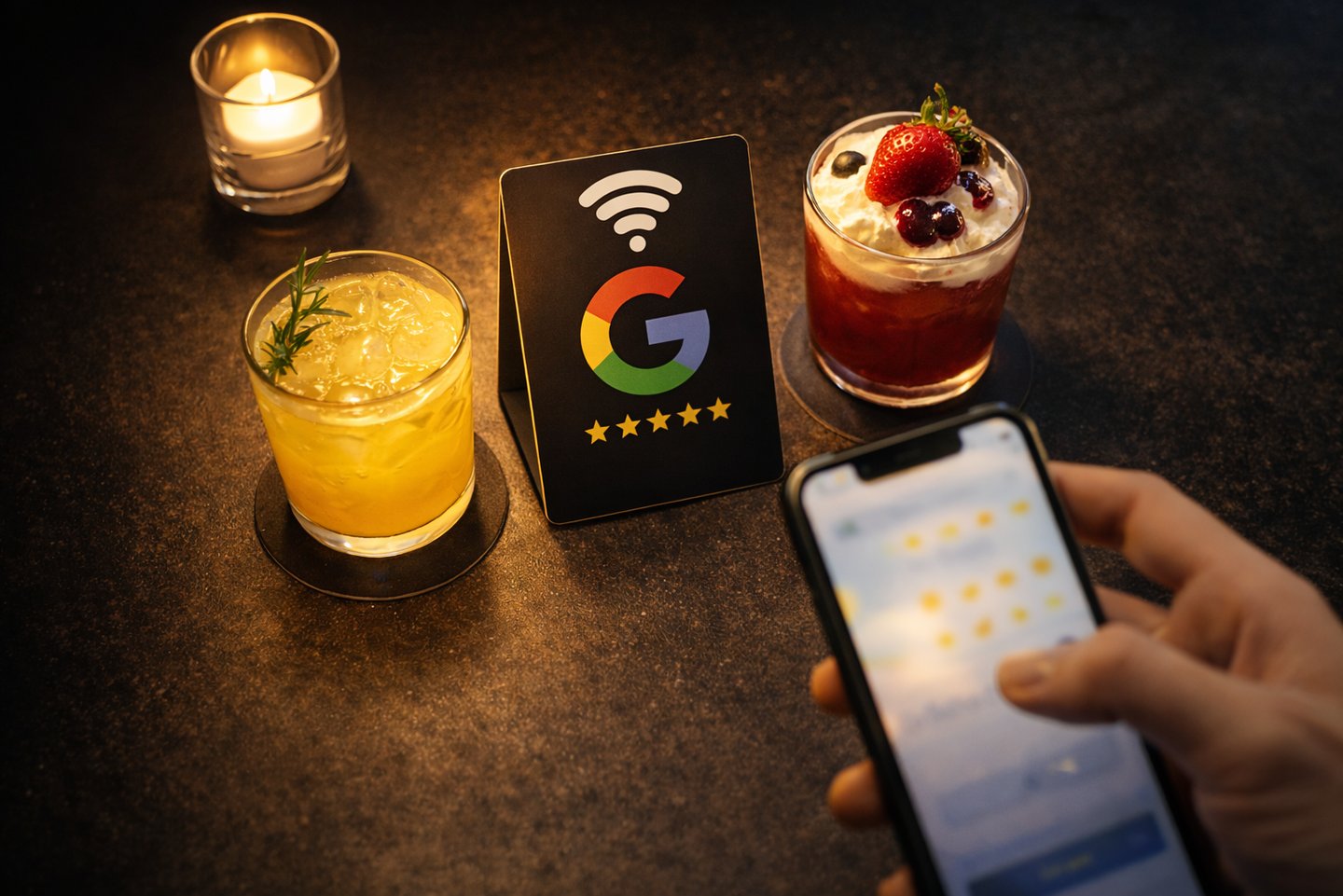
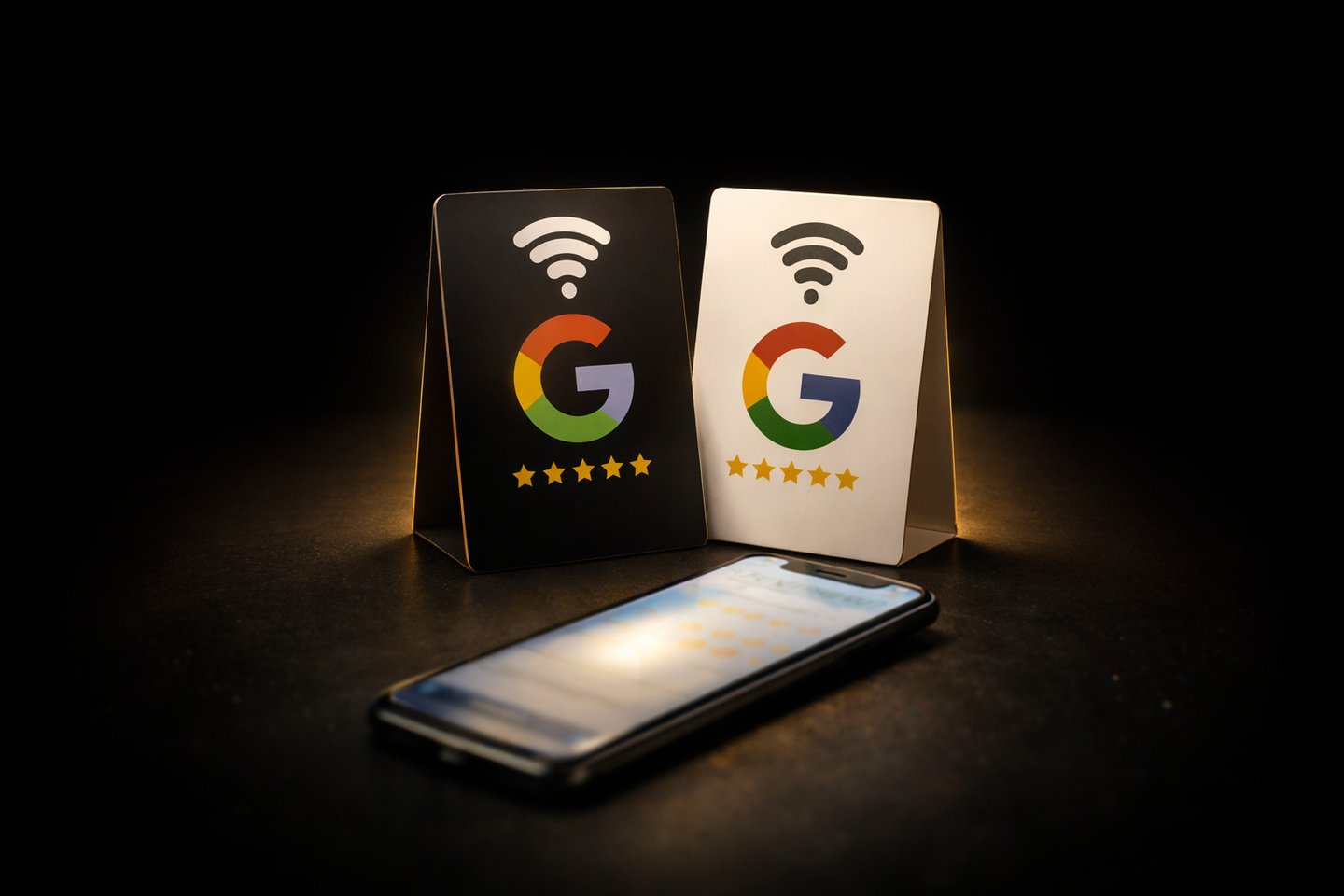
When customers interact with your venue online or in person, they leave signals.
They click your listing.
They request directions.
They leave reviews.
They upload photos.
They search your name again.
Google Maps ranking is driven by behaviour signals, not promotion.
Venues that generate stronger signals appear more often in search results — even without paid advertising.
These actions tell Google:
👉 this venue matters to people
What This Means In Practice
Strong Google Maps performance usually comes from a chain reaction:
A clear brand attracts the right customers.
A consistent experience creates satisfaction.
Satisfied customers leave reviews or photos.
Reviews strengthen ranking signals.
Higher ranking increases discovery.
Visibility grows when experience and brand signals encourage interaction.
This is how organic growth compounds.
Marketing can amplify visibility.
But reputation is what sustains it.


Google Maps performance is an outcome of brand clarity and customer experience.
Where This Fits In The Pour System™
Google Maps performance is an outcome of brand clarity and customer experience.
Science progression
👉 Launch Lab™ establishes presence online.
👉 Brand Lab™ ensures customers understand and remember the venue.
👉 Pour Science™ strengthens visibility and interaction signals.
When these layers align, customer behaviour naturally generates the signals that improve search visibility.
This is why Maps growth is not separate from branding — it’s a result of it.
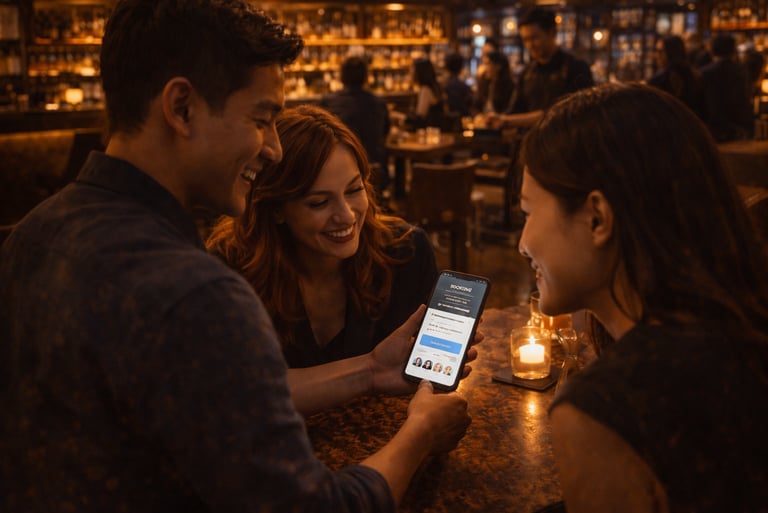
When customers consistently engage with a venue — leaving reviews, sharing photos, and searching for it again — Google interprets that behaviour as proof of relevance.
The venue becomes easier to find because customers are reinforcing its visibility


Google Maps visibility grows from accumulated reputation signals.
How reputation signals
influence discovery.
The venues that appear most often in search are usually those customers interact with most — not those that advertise most.

The Key Takeaway
Strong experience, consistent branding, and customer engagement create the signals that drive organic discovery.
Ads can boost visibility, but reputation sustains it.
If you want stronger organic visibility, start by improving the brand clarity, experience, and engagement that customers respond to first.