BH30 — Black Hawk 30th Anniversary Commemorative Collection
BH30 commemorative drinkware and memorial pieces marking 12 June 1996. Structured pre-sale packs available via Shopee.
MERCH LAB™
Simon Lee
2/27/202611 min read
BH30 — 30 Years On
On 12 June 1996, eighteen soldiers lost their lives during a training accident involving members of the Special Air Service Regiment and the 5th Aviation Regiment.
Thirty years later, BH30 was developed as a formal commemorative identity to mark that date
Remembering the Men of 12 June 1996
The Story
The Men and the Mission
They were drawn from one of the most elite military units in the world.
The Special Air Service Regiment had already begun intensifying its counter-terrorism preparation for the Sydney 2000 Olympic Games. Although the Games were still four years away, readiness at that level is not built in the final year. It is built years in advance — refined through repetition, pressure, and realism. The responsibility was clear: if a terrorist threat emerged on Australian soil during a global event watched by billions, these men would be the ones tasked to respond.
Every soldier in the Regiment had volunteered. Selection was not automatic. It was earned through attrition, endurance, discipline, and proof under sustained stress. Many had transferred from infantry battalions or specialist corps, some relinquishing rank to serve within the unit. The aircrew of the 5th Aviation Regiment were equally specialised, trained for night, low-level, close-formation flying — the type required for rapid counter-terrorist insertion.
On 12 June 1996, they were rehearsing exactly that scenario.
The Final Approach
— 12 June 1996
The Approach
As darkness settled over North Queensland, six Black Hawk helicopters lifted from RAAF Townsville and tracked west toward the High Range Training Area. The mission was a night live-fire counter-terrorism exercise. The objective simulated a hostile compound. The insertion method was fast-rope.
Doors were open. Troopers were unstrapped and preparing to descend. Night-vision goggles narrowed vision to a green-hued tunnel. Formation spacing had to be exact. The aircraft transitioned into line abreast for the final seconds of the approach.
At approximately 1853 AEST, corrective manoeuvres were made to regain alignment with the designated track. In the compressed airspace of night formation flying, with limited visual depth and minimal margin for deviation, one aircraft converged toward another.
Black 1’s main rotor struck the tail of Black 2.
The sequence that followed lasted only seconds.
The Collision
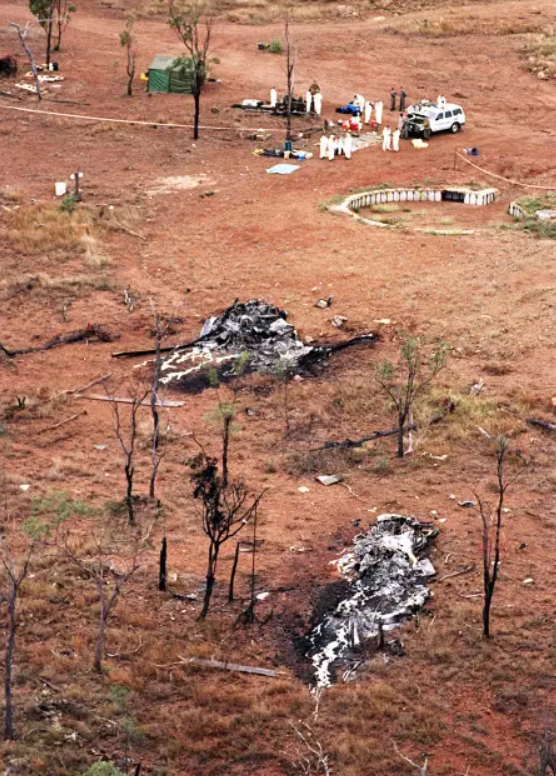
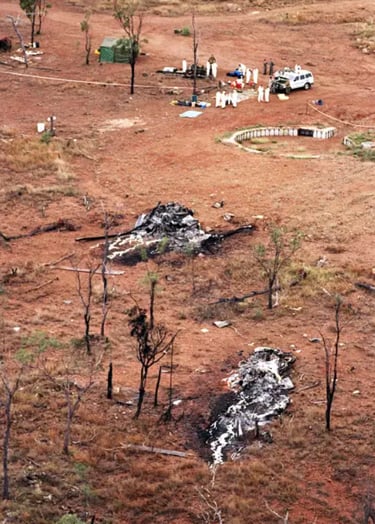
Black 1 rolled inverted and fell, striking the ground and erupting into flame. Black 2, its tail rotor severed, entered an uncontrolled spin before crashing upright. Both aircraft were engulfed by burning aviation fuel. Ammunition began detonating in the wreckage. The High Range training area, moments earlier a controlled exercise environment, became a scene of fire and impact.
Eighteen men were killed — fifteen members of the Special Air Service Regiment and three aircrew from the 5th Aviation Regiment.
They had been seconds from insertion.
The remaining helicopters landed immediately. Survivors and fellow soldiers moved toward the wreckage despite heat, smoke, and exploding ordnance. Casualties were evacuated back toward Townsville. Medical teams were mobilised. The scale of the loss became clear quickly.
It remains Australia’s worst peacetime military aviation disaster.
Aftermath and Legacy
A formal Board of Inquiry later determined there were no mechanical defects in the aircraft and no failure of night-vision equipment. The immediate cause was the convergence of one helicopter into another during the final approach. Contributing factors were identified in planning, coordination, command arrangements, and experience levels. Seventy-nine recommendations were made to strengthen aviation safety and counter-terrorism procedures across the Army.
The findings explain the mechanics.
They do not explain the men.
These were professionals who had volunteered to serve in one of the hardest and most demanding units in the world. They trained in silence and without public recognition. They carried responsibility few understood. They were preparing to protect others — athletes, civilians, a nation hosting the world.
On 12 June 1996, they did not return.
Lest We Forget.
Roll of Honour
Captain John Berrigan
John Berrigan was born on 1 December 1968. He commenced service in the Army Reserve before graduating from the Royal Military College in December 1992 and posting to the 5th Aviation Regiment in January 1994. He was promoted to Captain on 1 January 1996. He died on 12 June 1996 when two Black Hawk helicopters collided during a counter-terrorism training exercise at the High Range training area near Townsville, Queensland.
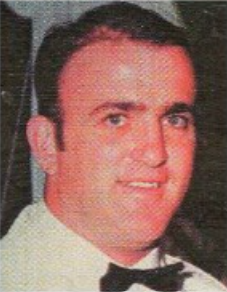
5th Aviation Regiment
Captain Kelvin Hales
Kelvin Hales was born on 28 November 1969. He enlisted in the Australian Army on 25 October 1989, graduated from the Royal Military College on 26 June 1991 and was posted to the 5th Aviation Regiment in November 1993. He served in Cambodia in 1993. He died on 12 June 1996 when two Black Hawk helicopters collided during a training exercise at the High Range training area near Townsville, Queensland.
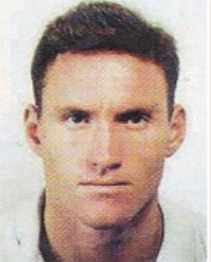
5th Aviation Regiment
Captain Timothy Stevens
Timothy Stevens was born on 26 September 1966. He enlisted in the Australian Army on 26 May 1986 and was commissioned into the Royal Australian Infantry on 22 January 1990. He completed SAS selection in 1994 and was posted to the Special Air Service Regiment on 1 June 1994 from 8/9 RAR as a Lieutenant. He died on 12 June 1996 when two Black Hawk helicopters collided during a training exercise at the High Range training area near Townsville, Queensland. He was survived by his wife, daughter and two sons
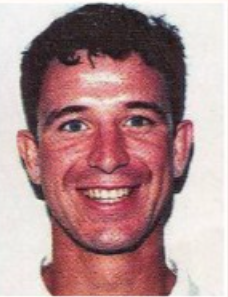
1 Squadron, Special Air Service Regiment
Sergeant Hugh Ellis
Hugh Ellis enlisted in September 1982 and initially served within RAEME before completing SAS selection in 1989 and transferring to the Regiment. He had prior infantry experience and reverted rank to serve within SASR — a decision that reflected commitment to the unit above personal status. On 12 June 1996, he was part of the counter-terrorism team rehearsing a night insertion under live-fire conditions. He was a husband and father of two sons. He died at thirty-five years of age.
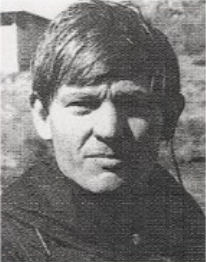
1 Squadron, Special Air Service Regiment
Corporal Mihran Avedissian
Mihran (Avey) Avedissian was born in Addis Ababa, Ethiopia, on 2 January 1967 and immigrated to Australia at the age of three. He enlisted in the Australian Army on 3 October 1984 and was allocated to the Royal Australian Signals. He was posted to 152 Signal Squadron on 4 March 1987 and underwent SAS selection in 1989, transferring from 104 Signal Squadron. He died on 12 June 1996 when two Black Hawk helicopters crashed at the High Range training area near Townsville, Queensland. His next-of-kin at the time of his death was his mother.
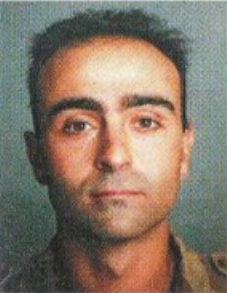
152 Signal Squadron, Special Air Service Regiment
Corporal Michael Baker
Michael Baker was born on 22 March 1972. He enlisted in July 1989 and was allocated to Army Aviation. After completing technical training he served with 1 Aviation Regiment before posting to the 5th Aviation Regiment in December 1995 as a loadmaster. He died on 12 June 1996 when two Black Hawk helicopters collided during a counter-terrorism training exercise at the High Range training area near Townsville, Queensland.
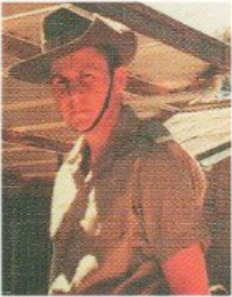
5th Aviation Regiment
Corporal Andrew Constantinidis
Andrew Constantinidis was born on 18 June 1962 in Victoria. He enlisted in the Army Reserve on 18 January 1986 and later entered full-time service, transferring to the Australian Regular Army. He completed SAS selection and was posted to the Special Air Service Regiment on 9 March 1990 from 1 Commando Regiment, reverting to Trooper on posting. He died on 12 June 1996 in the Black Hawk training accident at High Range near Townsville. He was survived by his wife and five children.
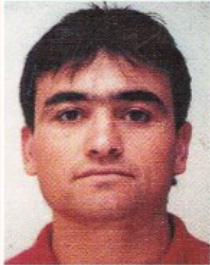
1 Squadron, Special Air Service Regiment
Corporal Darren Oldham
Darren Robert Oldham was born on 23 October 1966 in Victoria. He enlisted in the Australian Army on 18 March 1987 and was allocated to the Royal Australian Infantry. He completed SAS selection in 1991 and was posted to the Special Air Service Regiment from 2/4 RAR, reverting to Trooper on posting. He died on 12 June 1996 in the Black Hawk training accident at High Range near Townsville. He was survived by his wife.
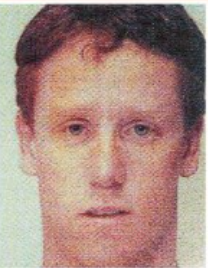
1 Squadron, Special Air Service Regiment
Corporal Darren Smith
Darren John Smith was born on 28 September 1968 in Queensland. He enlisted in the Australian Army on 30 June 1986 and was allocated to the Royal Australian Signals. He was posted to 152 Signal Squadron on 14 January 1990 and completed SAS selection in 1991, transferring from 139 Signal Squadron and retaining the rank of Corporal. He died on 12 June 1996 when two Black Hawk helicopters crashed at the High Range training area near Townsville, Queensland. His next-of-kin at the time of his death was his father.
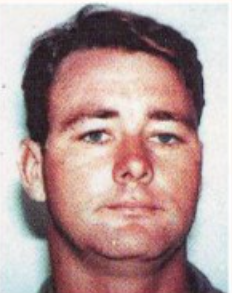
152 Signal Squadron, Special Air Service Regiment
Corporal Brett Tombs
Brett Stephen Tombs was born on 18 February 1965 in New Zealand. He enlisted in the Australian Army on 22 January 1986 and was allocated to the Royal Australian Infantry. He completed SAS selection in 1988 and was posted to the Special Air Service Regiment from 5/7 RAR. Prior to the accident he had elected to discharge from the Army to pursue further study. He died on 12 June 1996 in the Black Hawk training accident at High Range near Townsville. He was survived by his wife, son and daughter.
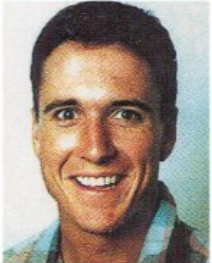
1 Squadron, Special Air Service Regiment
Lance Corporal Gordon Callow
Gordon Andrew Callow was born on 22 December 1961 in Victoria. He enlisted in the Australian Army on 6 July 1988 and was allocated to the Royal Australian Infantry. He completed SAS selection in 1993 and was posted to the Special Air Service Regiment from 2/4 RAR, reverting to Trooper on posting. He died on 12 June 1996 in the Black Hawk training accident at High Range near Townsville. His next-of-kin was his uncle.
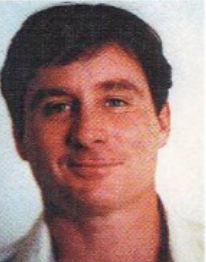
1 Squadron, Special Air Service Regiment
Lance Corporal David Brian Frost
David Brian Frost was born on 28 January 1968 in New South Wales. He enlisted in the Australian Army on 30 June 1985 and was allocated to the Royal Australian Infantry. He completed SAS selection in 1992 and was posted to the Special Air Service Regiment from 2/4 RAR, reverting to Trooper on posting. He died on 12 June 1996 in the Black Hawk training accident at High Range near Townsville. His next-of-kin was his sister.
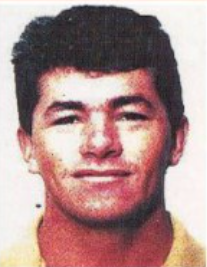
1 Squadron, Special Air Service Regiment
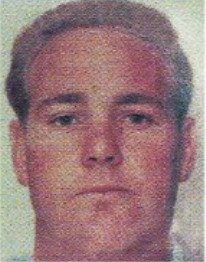
Lance Corporal Glen Hagan
Glen Donald Hagan was born on 21 November 1965 in Victoria. He enlisted in the Australian Army on 6 July 1988 and was allocated to the Royal Australian Infantry. He completed SAS selection in 1993 and was posted to the Special Air Service Regiment from 6RAR, reverting to Trooper on posting. He died on 12 June 1996 in the Black Hawk training accident at High Range near Townsville. He was survived by his wife and daughter.
1 Squadron, Special Air Service Regiment
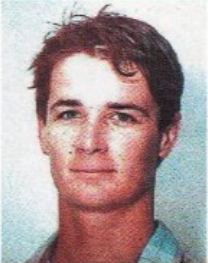
Lance Corporal David Johnstone
David Andrew Johnstone was born on 3 October 1969 in New South Wales. He enlisted in the Australian Army on 19 November 1986 and was allocated to the Royal Australian Infantry. He completed SAS selection in 1991 and was posted to the Special Air Service Regiment from 3RAR. He died on 12 June 1996 in the Black Hawk training accident at High Range near Townsville. His next-of-kin was his father.
1 Squadron, Special Air Service Regiment
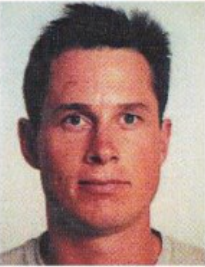
Trooper Jonathan Church
Jonathon Giaus Sandford Church was born on 1 September 1963 in New South Wales. He enlisted in the Army Reserve on 5 November 1989 before transferring to the Australian Regular Army. He completed SAS selection in 1993 and was posted to the Special Air Service Regiment from 1 Commando Regiment. He died on 12 June 1996 in the Black Hawk training accident at High Range near Townsville. His next-of-kin was his father.
1 Squadron, Special Air Service Regiment
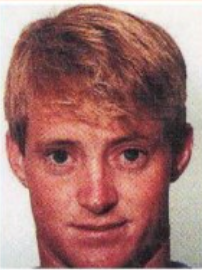
Trooper Timothy McDonald
Timothy John McDonald was born on 4 October 1971 in New South Wales. He enlisted in the Australian Army on 10 May 1989 and was allocated to the Royal Australian Infantry. He completed SAS selection in 1993 and was posted to the Special Air Service Regiment from 3RAR. He died on 12 June 1996 in the Black Hawk training accident at High Range near Townsville. His next-of-kin was his father.
1 Squadron, Special Air Service Regiment
Signalman Hendrik “Rick” Peeters
Hendrik “Rick” Peeters was born in Queensland on 15 December 1970. He enlisted in the Australian Army on 4 May 1988 and was allocated to the Royal Australian Signals. He was posted to the Special Air Service Regiment on 16 January 1991 and underwent SAS selection the following month, transferring from 103 Signal Squadron. He died on 12 June 1996 when two Black Hawk helicopters crashed at the High Range training area near Townsville, Queensland. He was survived by his fiancée Denise.
152 Signal Squadron, Special Air Service Regiment
BH30 — Why It Exists
To mark that day with accuracy and respect.
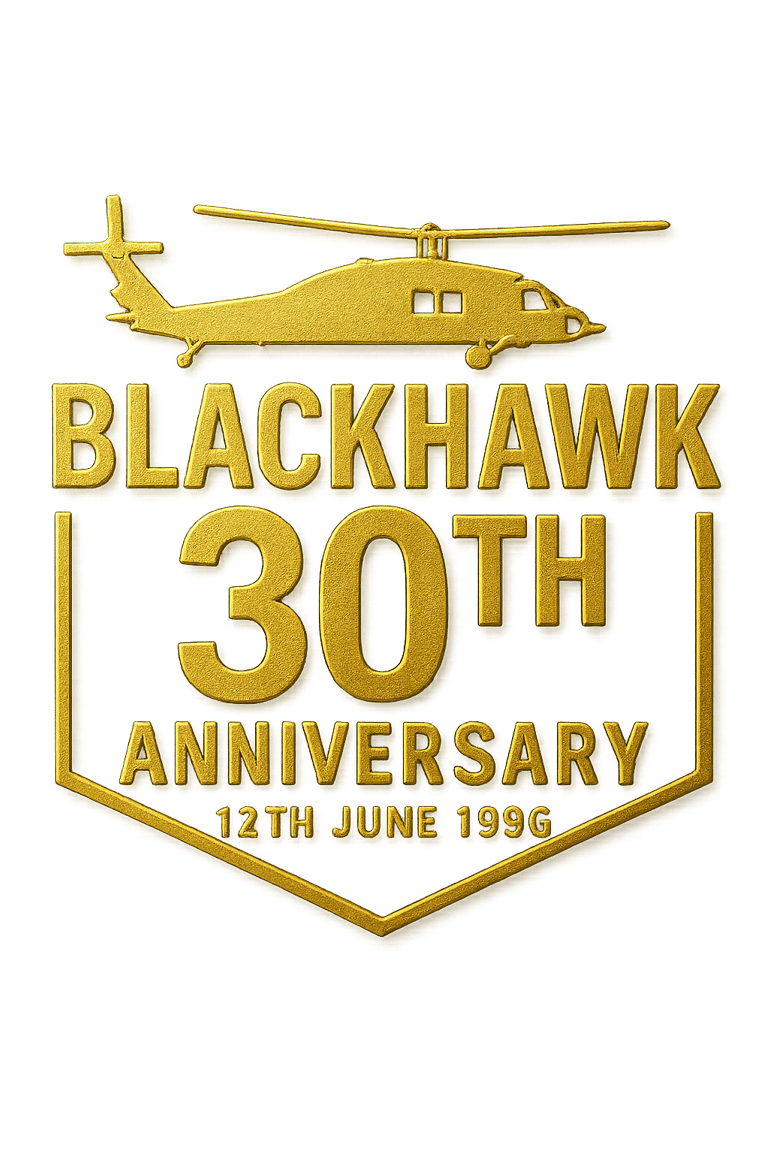
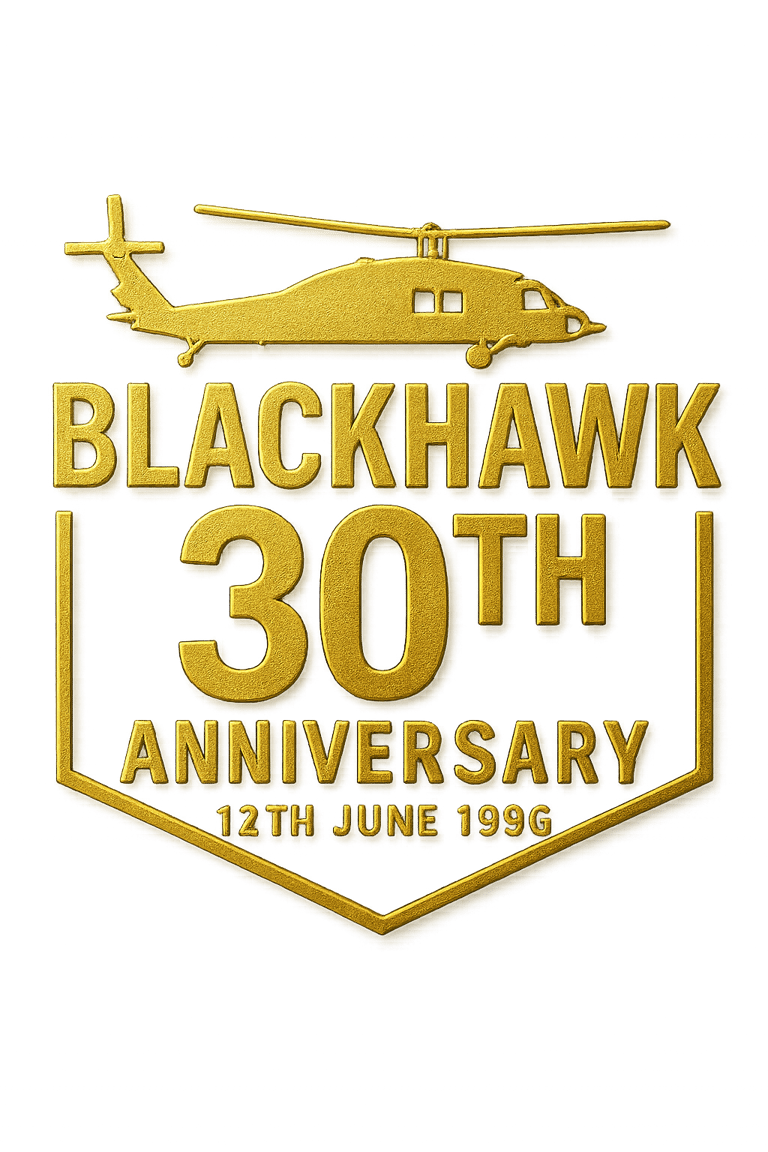
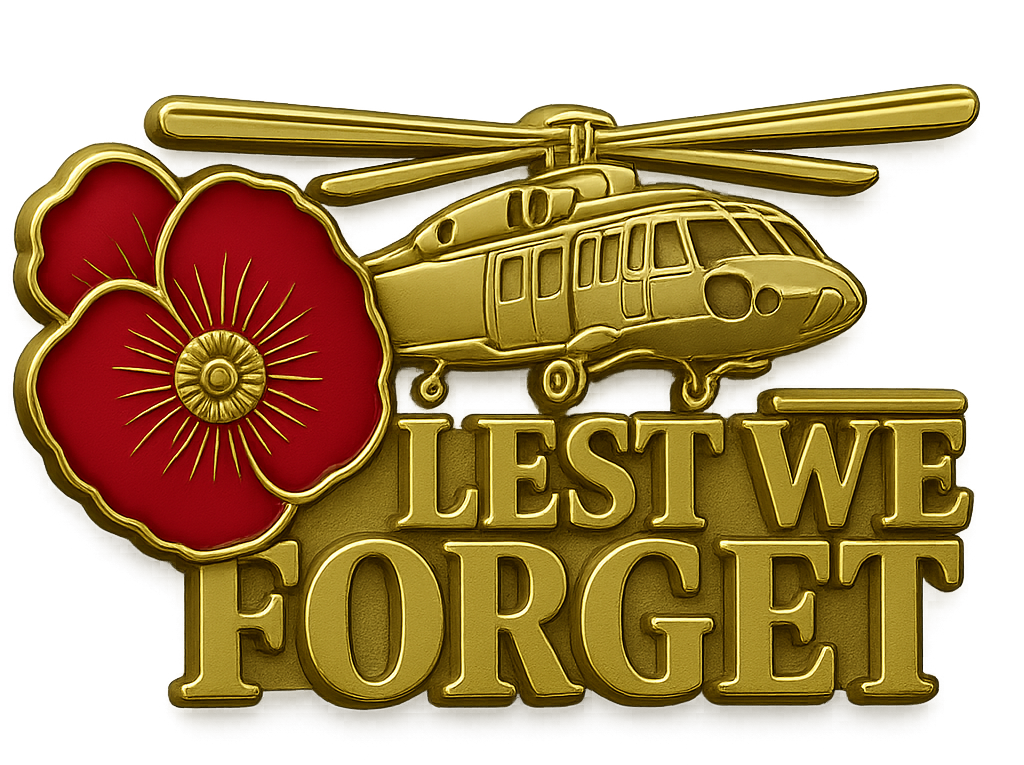
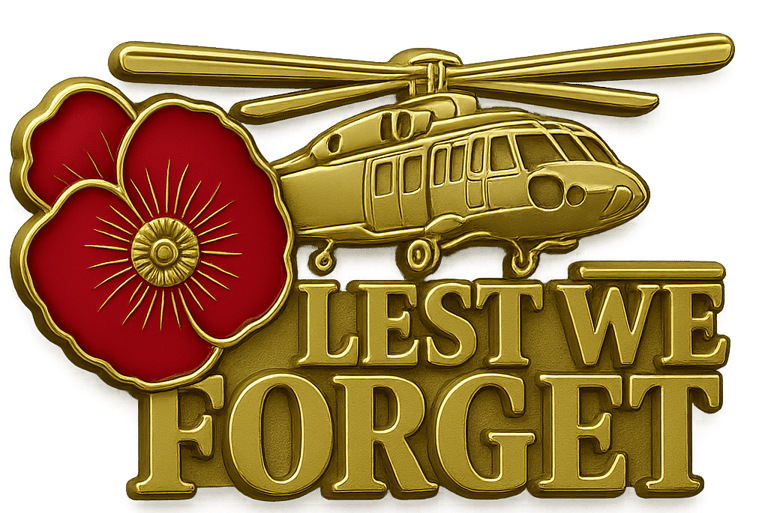
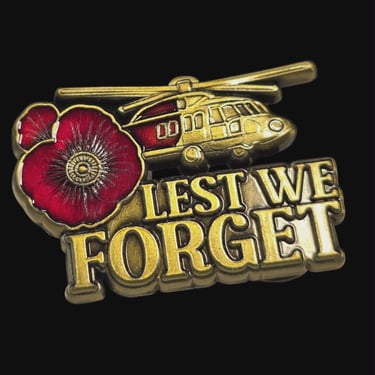
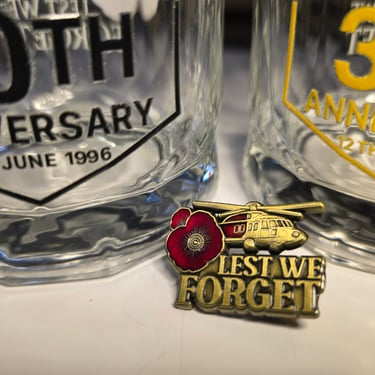
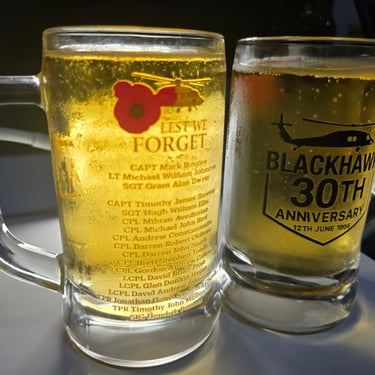
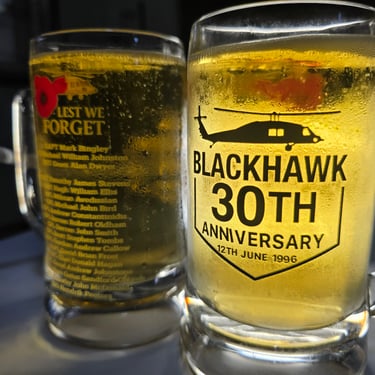
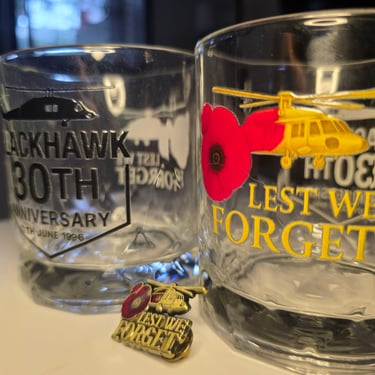
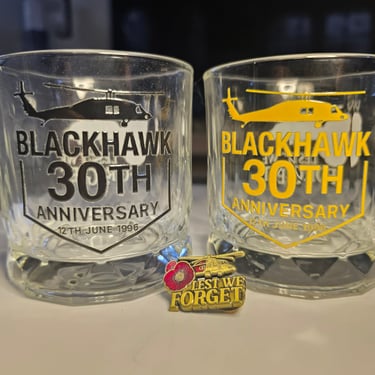
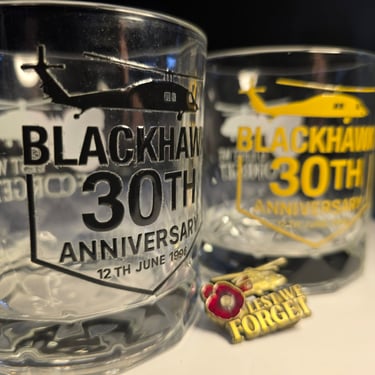
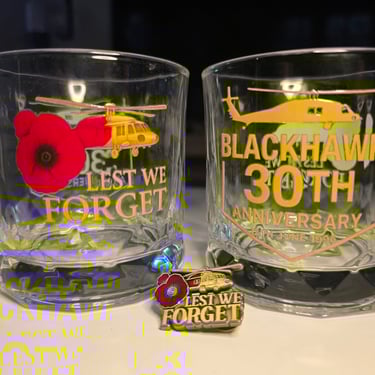
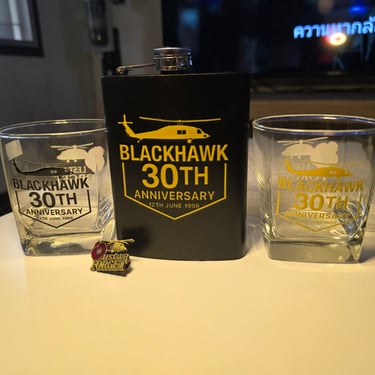
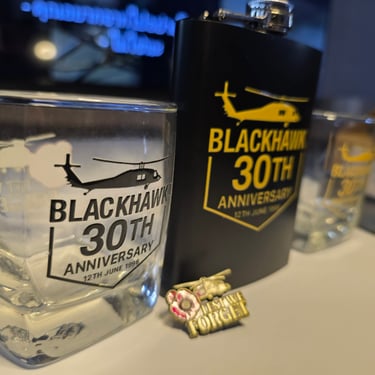
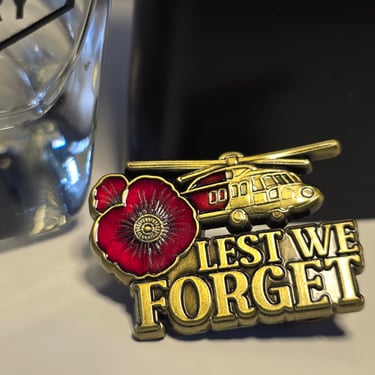
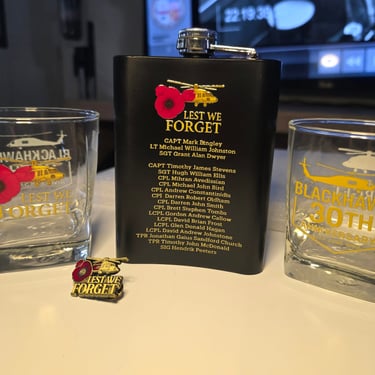
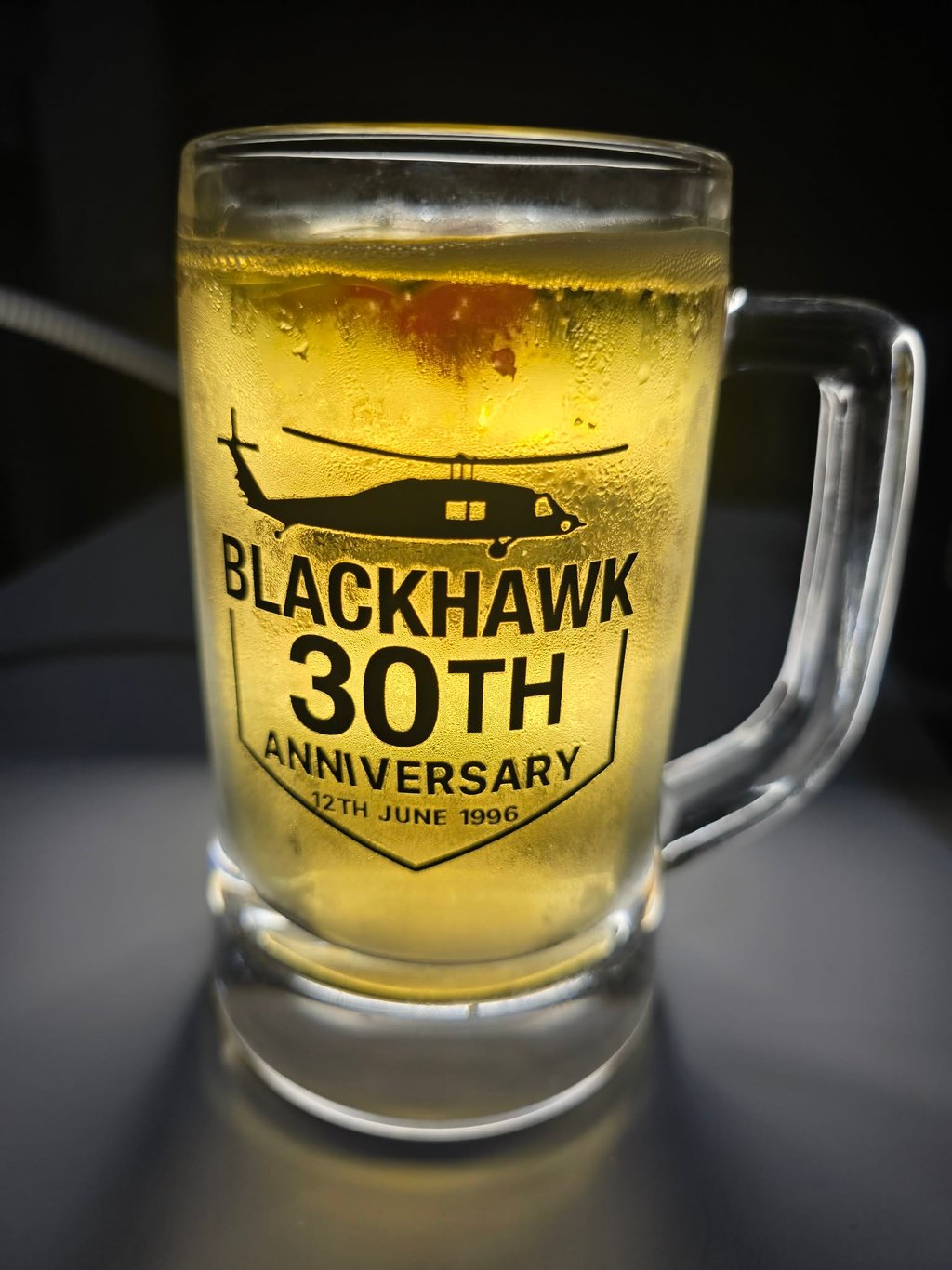
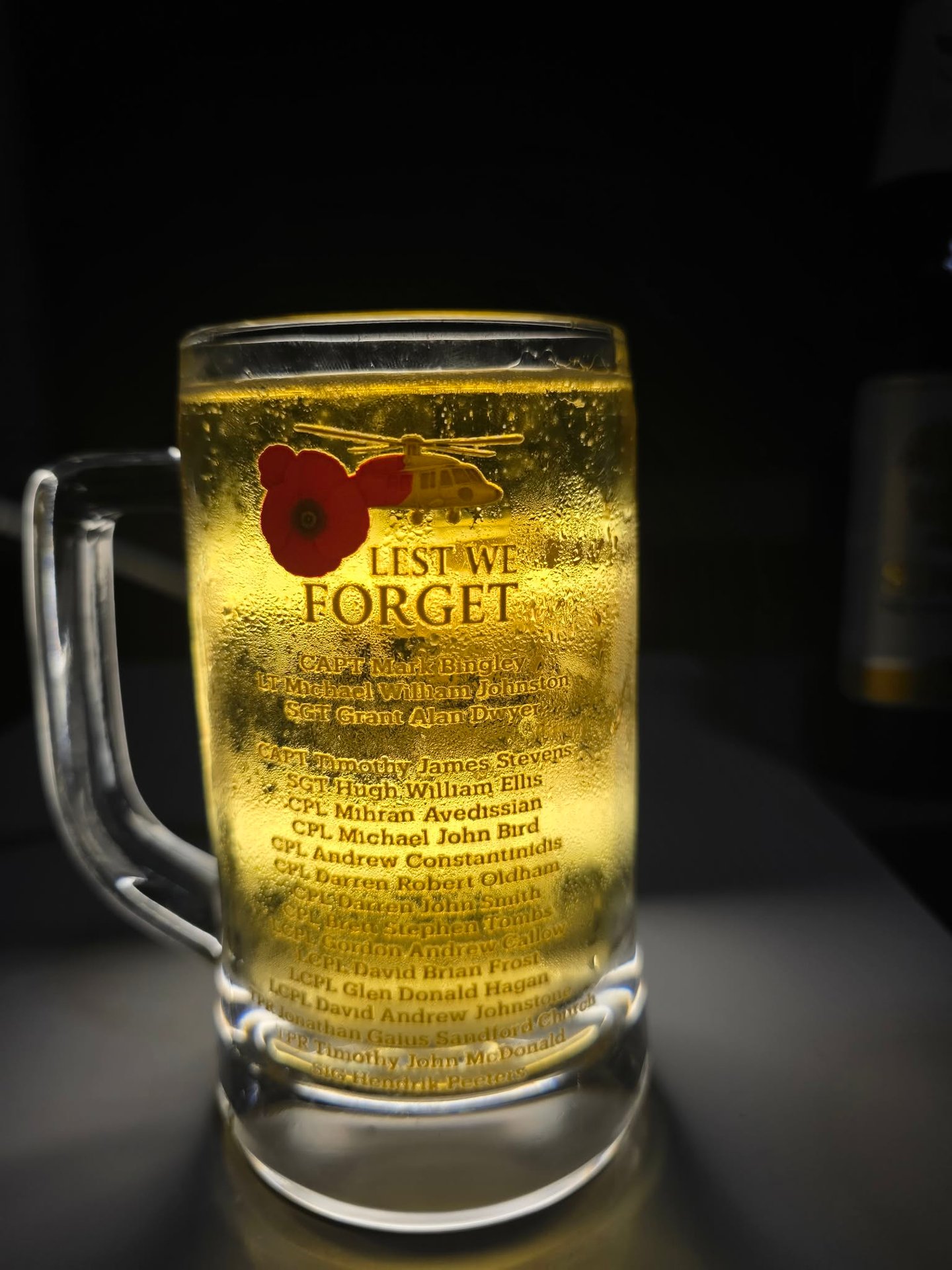
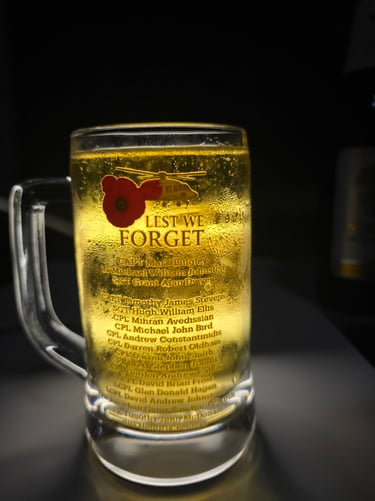
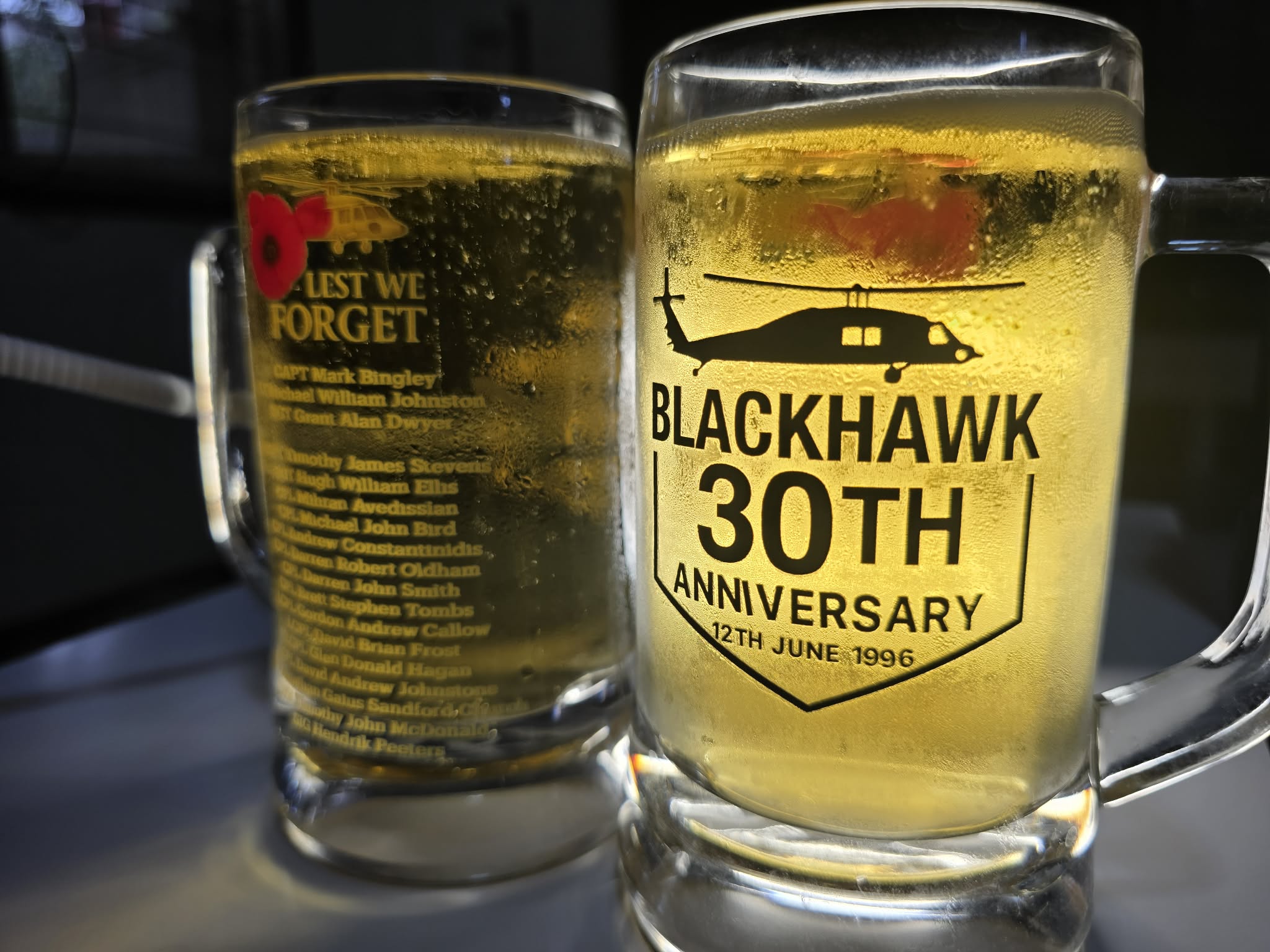
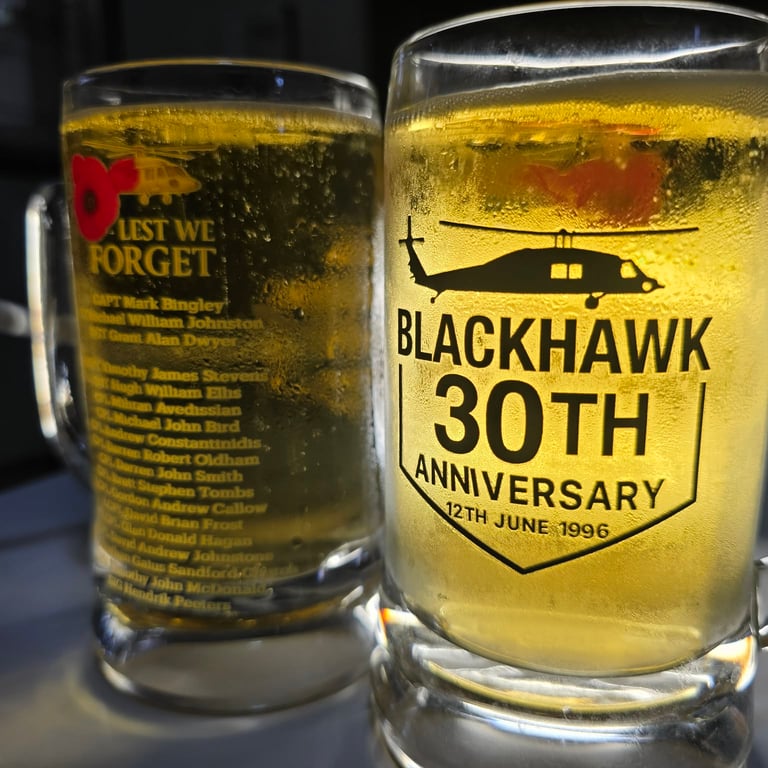
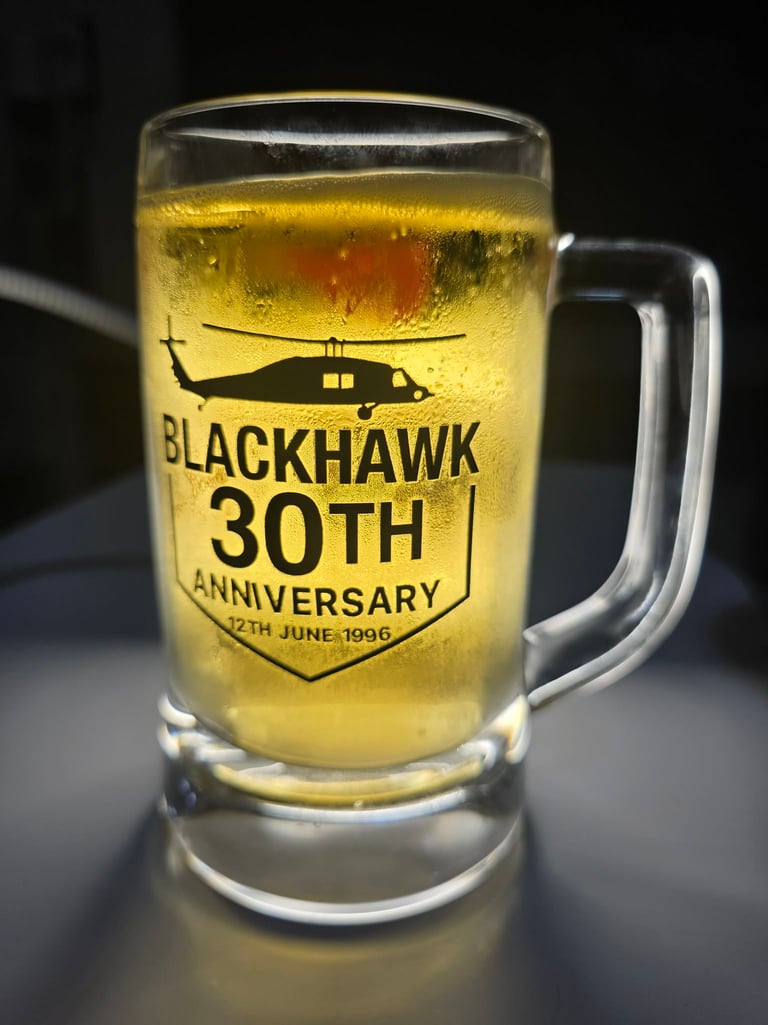
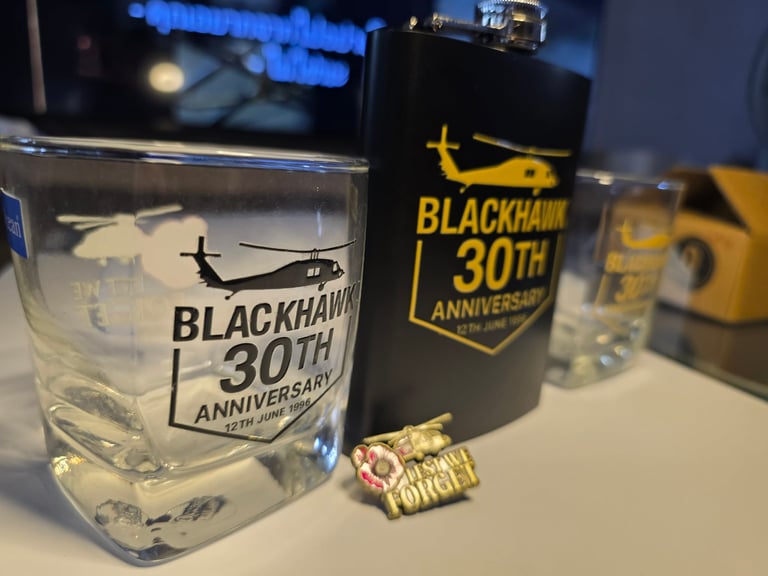
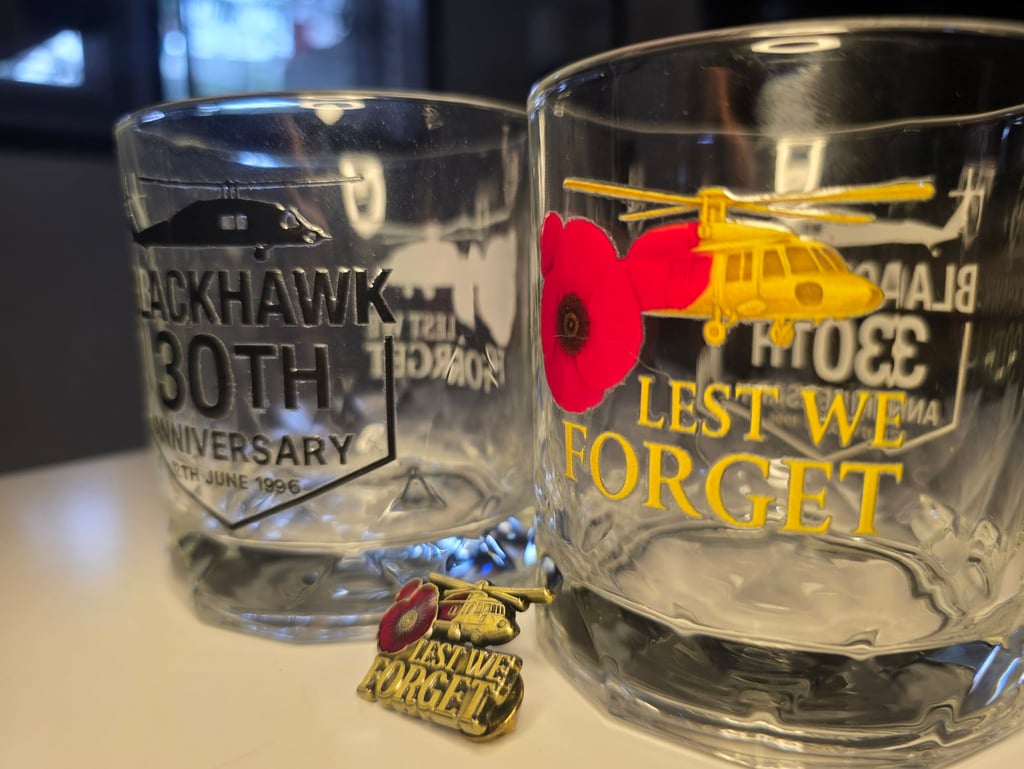
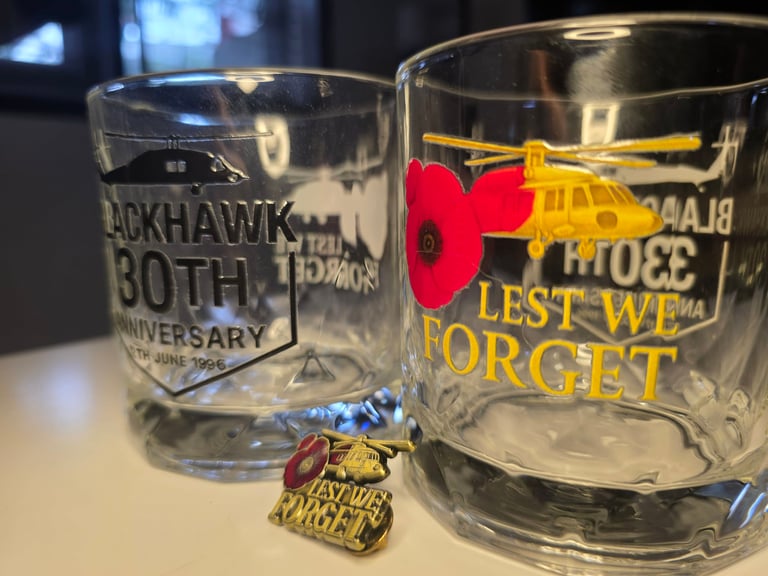
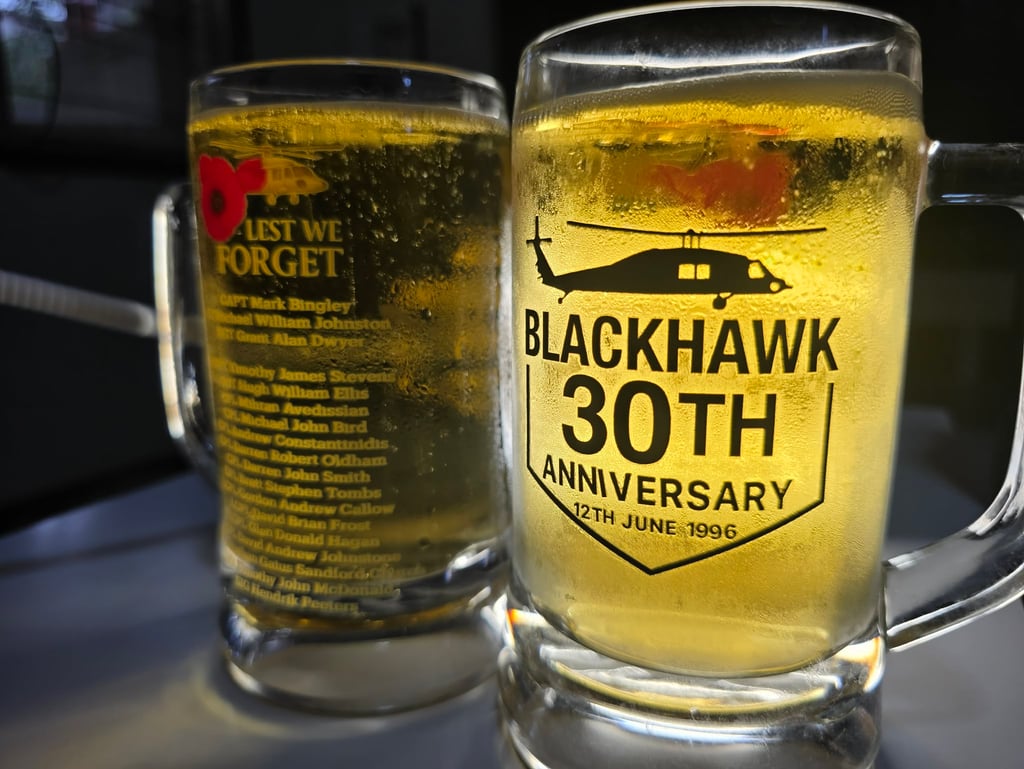
Each item — glassware, flask, stein and commemorative pin — carries the BH30 crest and memorial design listing the eighteen names.
Not as decoration.
As remembrance.
Lest We Forget.
Thirty years on, the BH30 commemorative collection exists for one reason only
BH30 Memorial Collection — Available Now (Shopee Pre-Sale)
BH30 Officers Set
Premium Ocean double rocks glasses paired with an 8oz black stainless flask featuring the BH30 crest on the front and the memorial design on the reverse, plus the BH30 commemorative pin.
Editions: Black Edition / Gold Edition
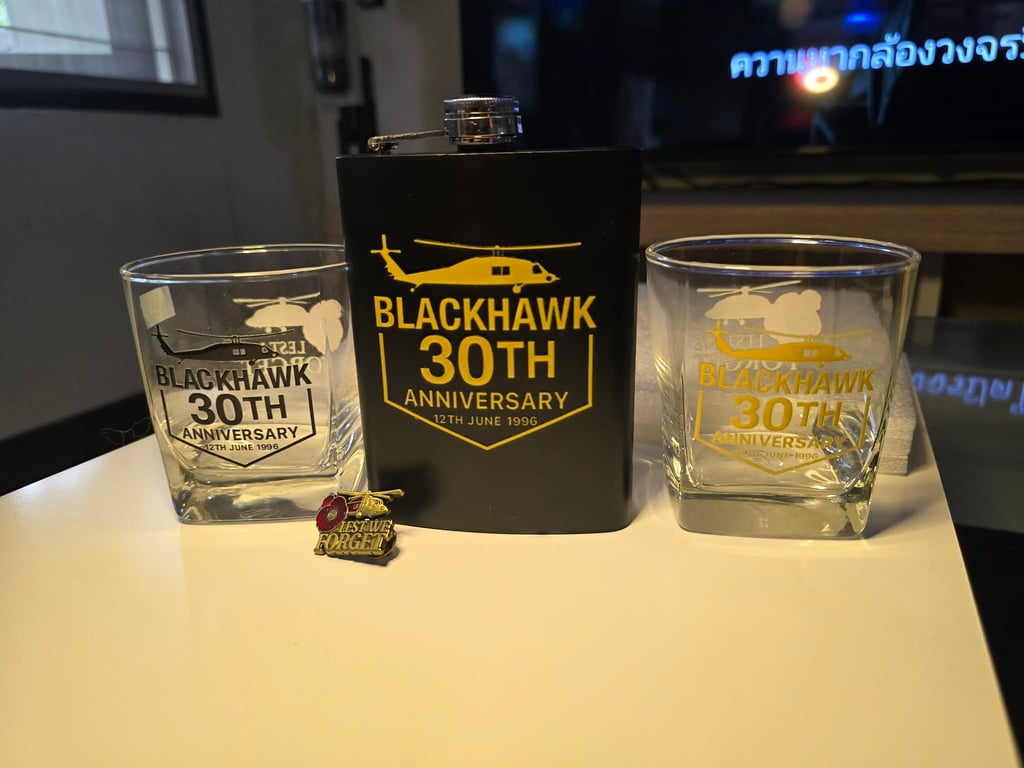
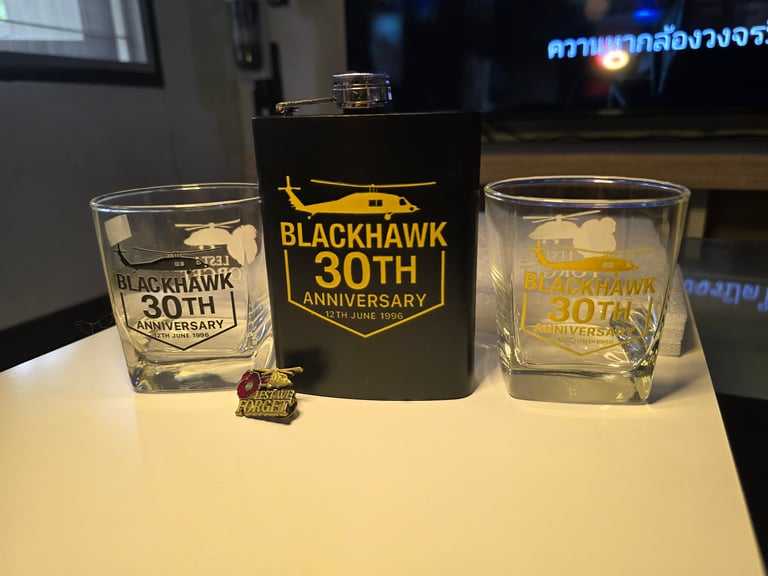
Ocean Double Rocks Whisky Glass (8oz) + 8oz Black Flask + BH30 Pin
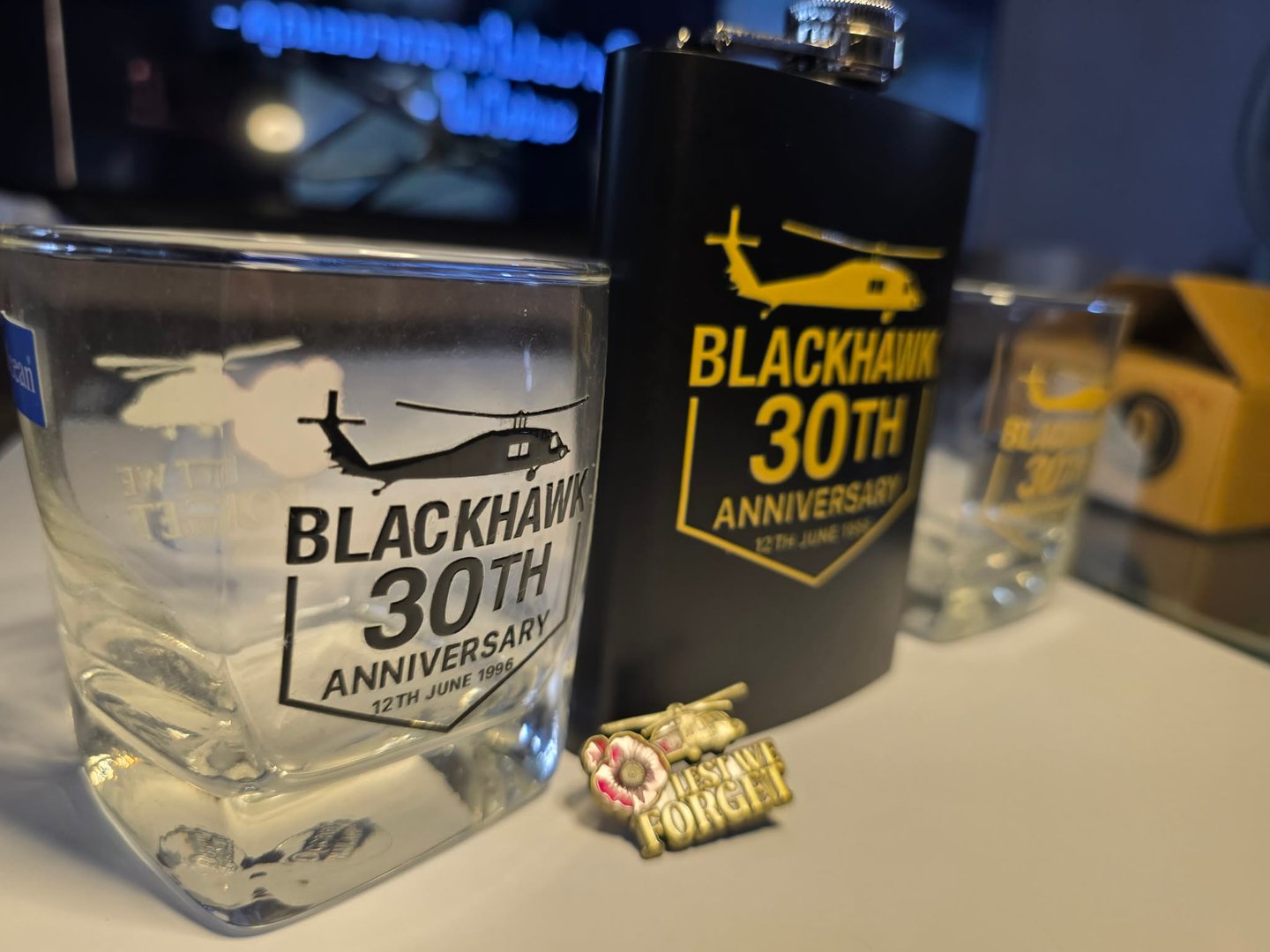
BH30 Collector Set
A collector-focused set built around the Ocean Connexion whisky glass form, produced as part of the BH30 memorial range and paired with the BH30 commemorative pin.
Editions: Black Edition / Gold Edition
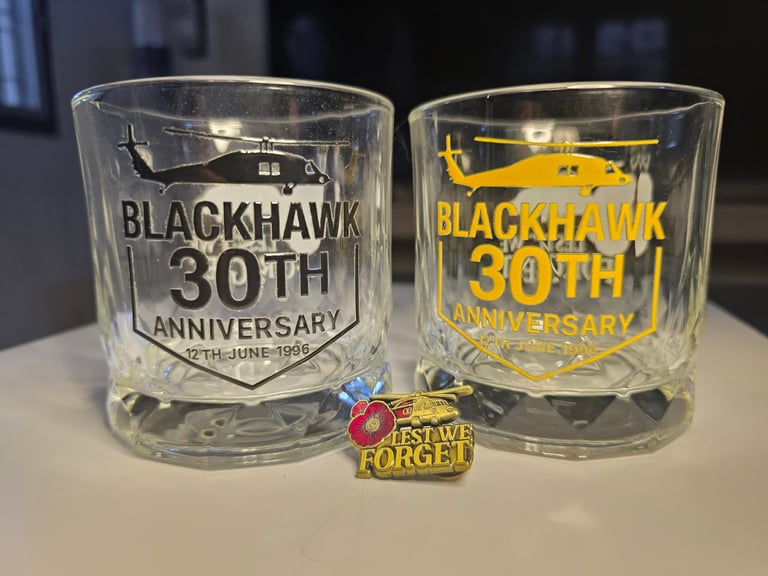
Ocean Connexion Whisky Glass Set + BH30 Pin
BH30 Memorial Set
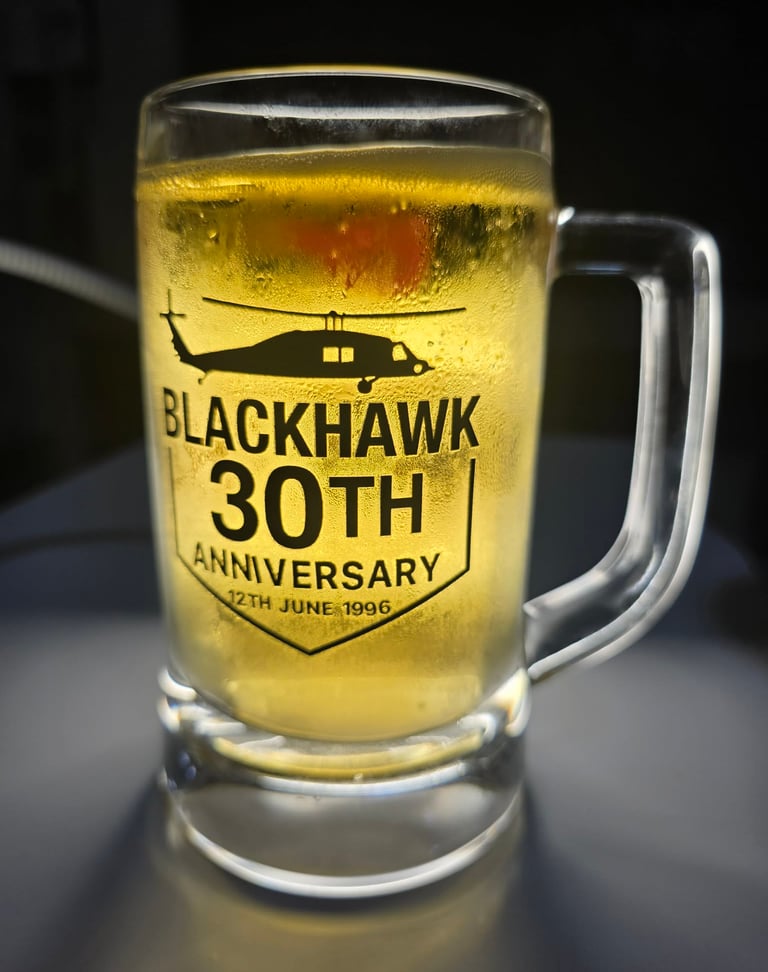
A standalone commemorative stein built around the Munich beer mug form, UVD printed in-house with the BH30 memorial design.
Editions: Black Edition / Gold Edition
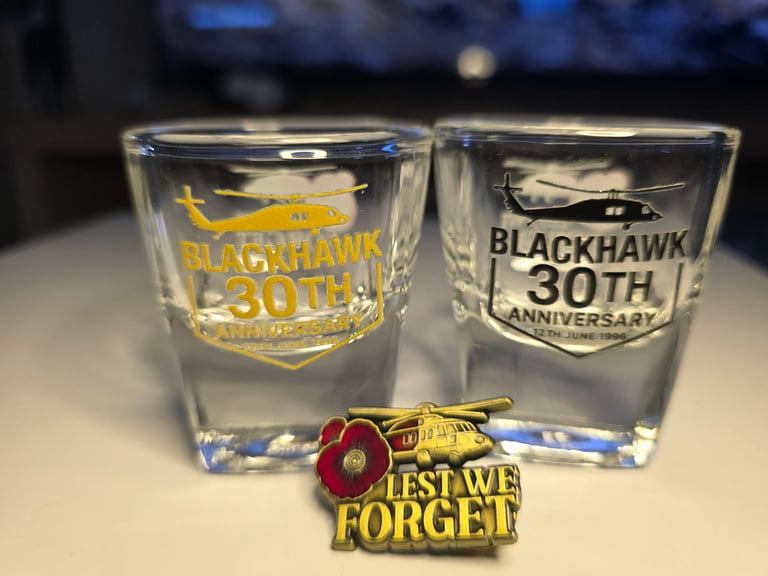
Ocean Plaza Shot Glass Set + BH30 Pin
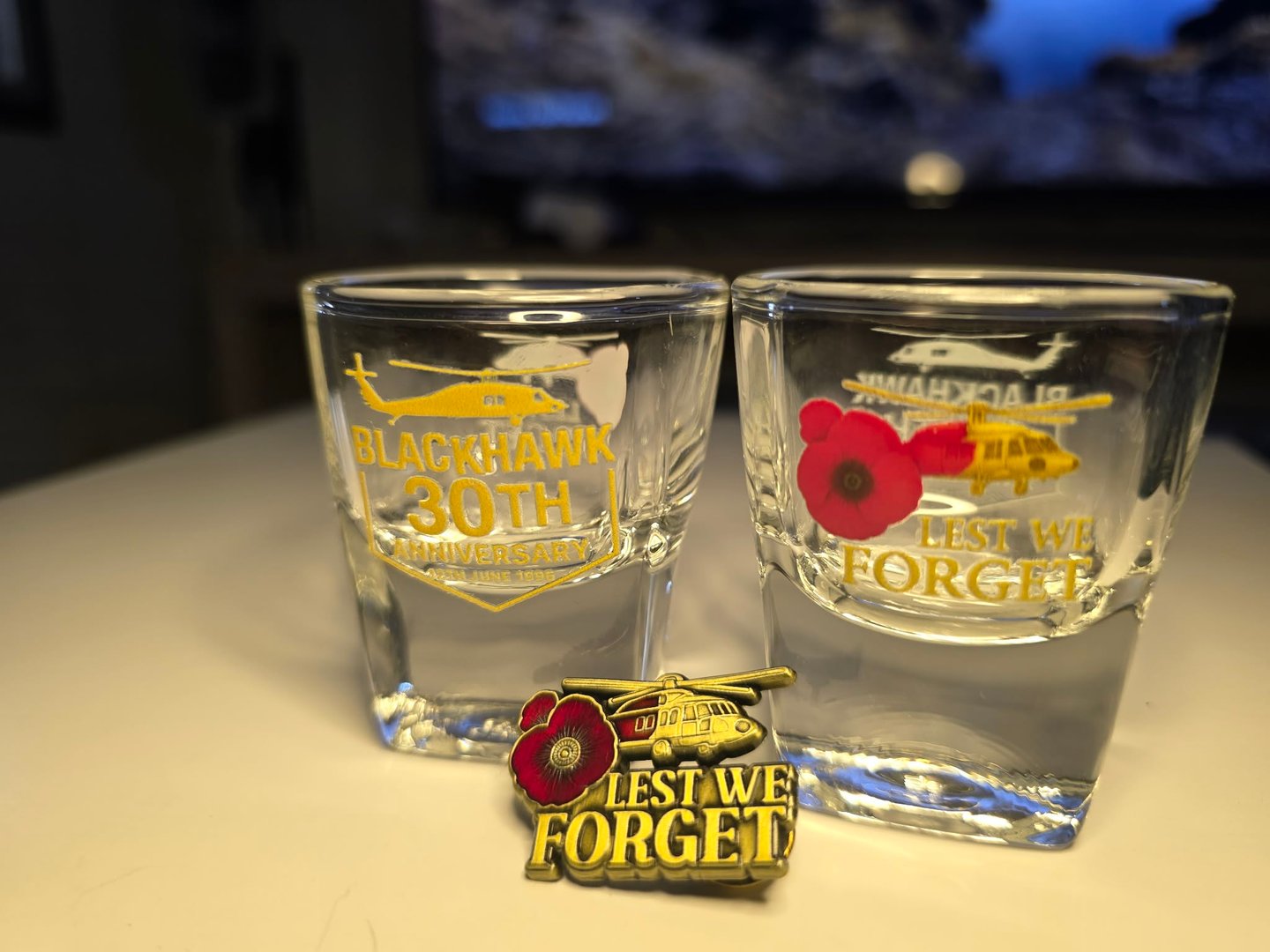
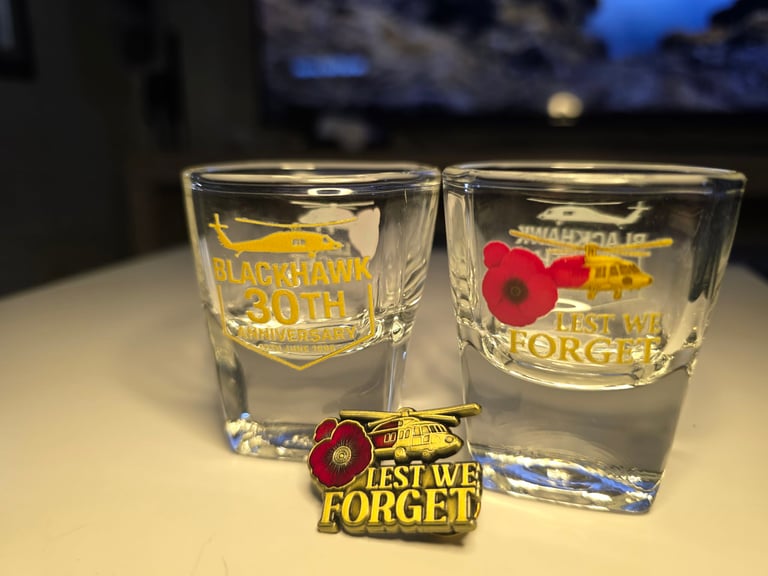
BH30 Memorial Stein
A standalone commemorative stein built around the Munich beer mug form, UVD printed in-house with the BH30 memorial design.
Editions: Black Edition / Gold Edition
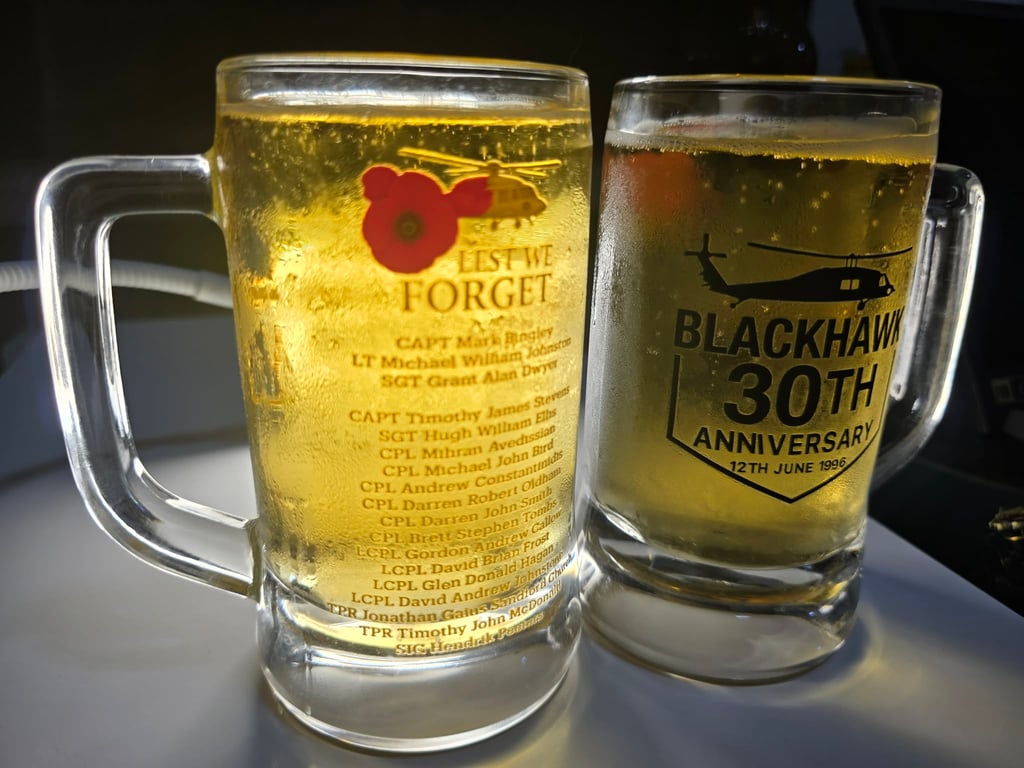
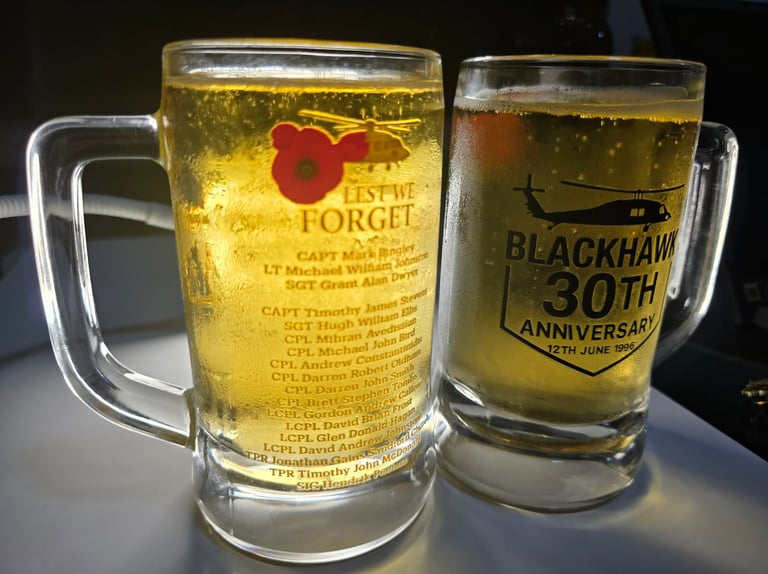
Munich Beer Mug (355ml / 12oz)
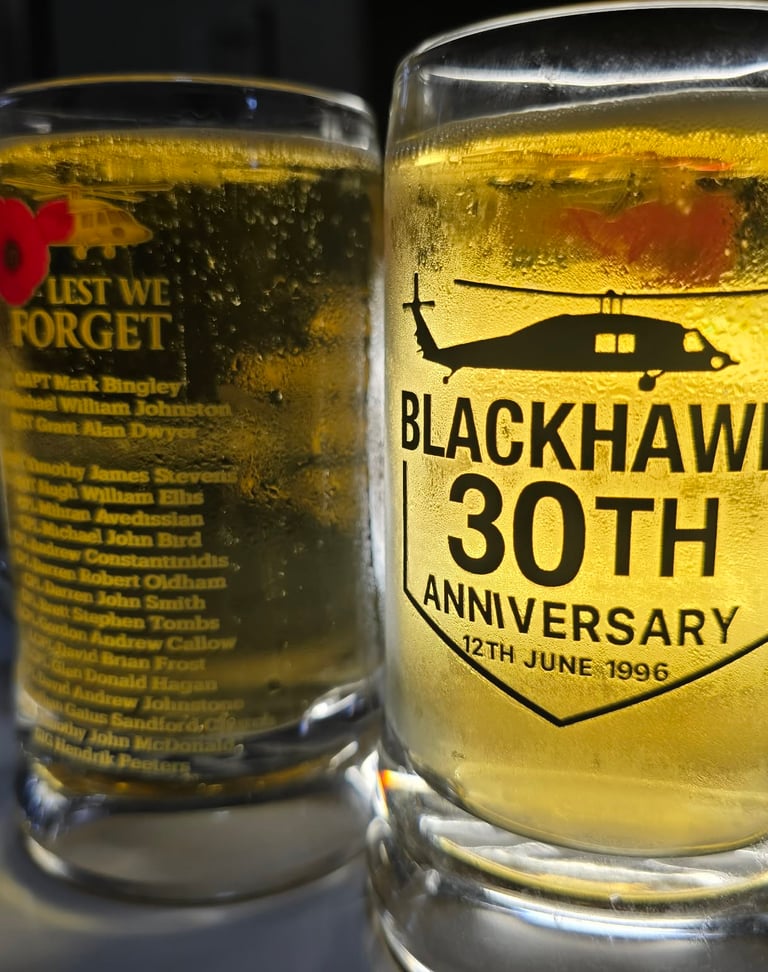
BH30 Commemorative Pin
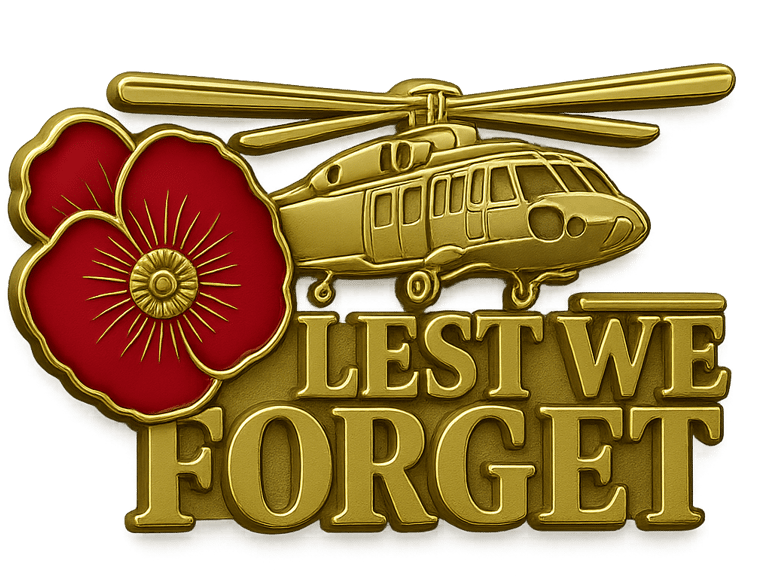
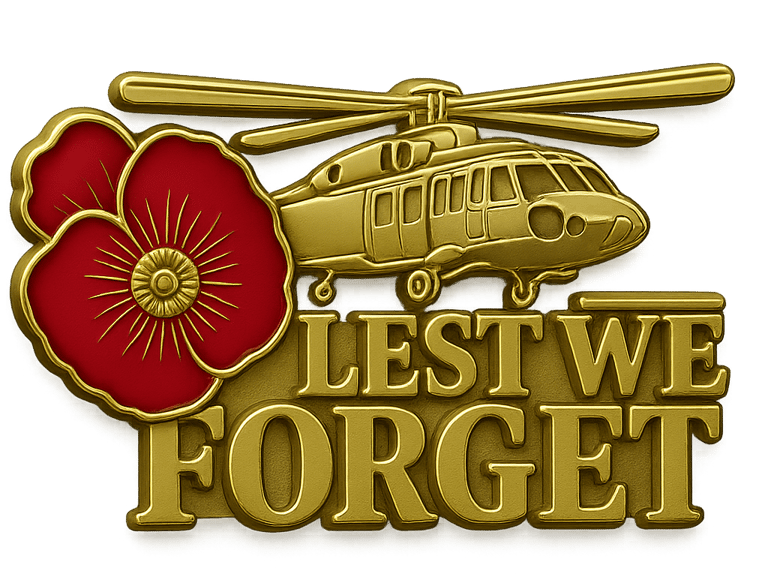
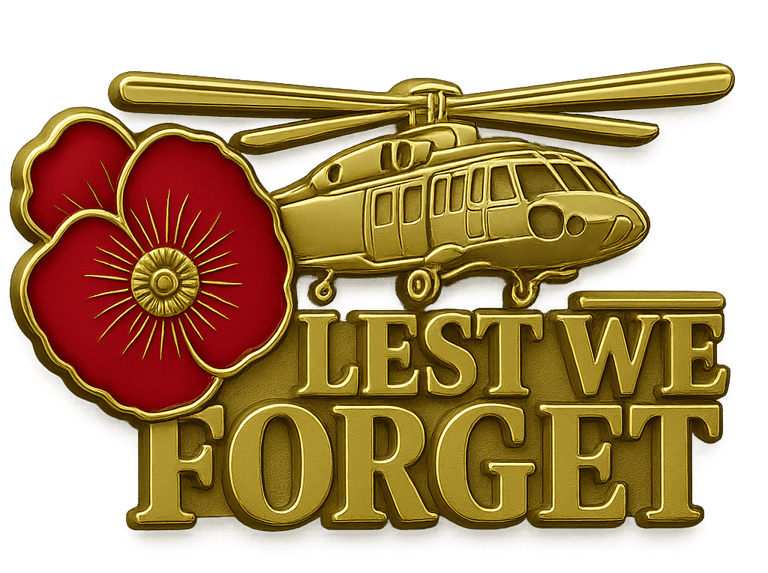
The BH30 pin is available as part of sets and will also be offered as a standalone commemorative piece.
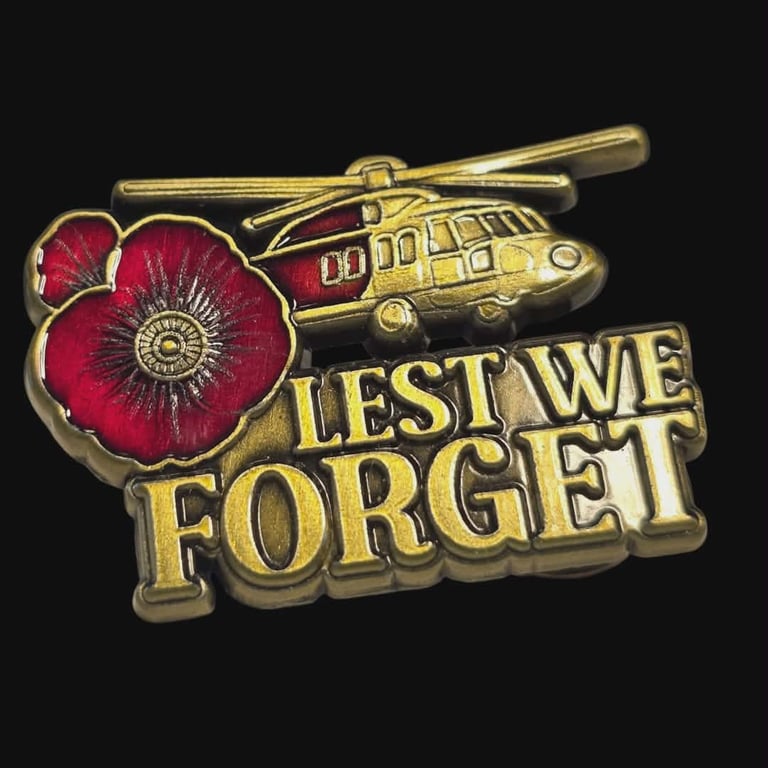
Lest We Forget — BH30
Bulk & Unit Orders
If you require pack builds, larger quantities, or unit-aligned coordination, contact The Pour Shop directly for details and availability.

Request packs, quantity runs, or unit coordination
Built Within The Pour System™
→ Launch Lab™
→ Brand Lab™
→ Merch Lab™
→ Growth Lab™
BH30 was structured through